

Business Operation · 2025
In this section22 topics
- Corporate Information4 items
- Dividend Policy2 items
- Major Shareholders3 items
- Business Strategies Overview5 items
- Material Changes & Developments2 items
- Use of Proceeds from Securities Offerings1 item
- Commitments Made in the Registration Statement1 item
- Group Operating-Structure Policy1 item
- Companies Where the Company Holds ≥10%1 item
- Shareholders with Potential Conflict of Interest1 item
- Relationships Among Major Shareholders1 item
- Shareholders' Agreement1 item
- Shareholding Diagram (Group Structure)3 items
- Income Structure3 items
- Product / Service Characteristics3 items
- Research & Development6 items
- Assets Used in the Business4 items
- Marketing Policy & Competition3 items
- Procurement of Products & Services8 items
- Projects Under Construction1 item
- Debentures & Bills of Exchange2 items
- Convertible Securities1 item
Corporate Information
Company Name
SIAM CITY CEMENT PUBLIC COMPANY LIMITED
Telephone
0-2797-7000
Website
http://www.siamcitycement.com
companysecretary@siamcitycement.com
Dividend Policy
Dividend Policy
“The Company shall allocate dividend payment of at least 60 percent of net profit on its consolidated financial statements. In case of negative financial situation, the Board may propose a lower percentage of dividend payment as it considers appropriate under such circumstance.”
Explanation: This Dividend Policy was approved by the Annual General Meeting of Shareholders No.17, on 9 April 2010, as a general principle. However, in proposing the dividend payment for approval of Shareholders, the Company must comply with the laws, i.e., dividend must be paid from net profit of the Company’s separate financial statements.
Historical Dividend Payments
| This Year | Last Year | 2 Years Ago | 3 Years Ago | 4 Years Ago | Metric | Description | Remark |
|---|---|---|---|---|---|---|---|
| 11.72 | 18.08 | 9 | 6.23 | 14.25 | Net profit per share (Baht : Share) | Net profit per share (baht : share) | |
| 11 | 11 | 7 | 9 | 9 | Dividend per share (Baht : Share) | Dividend per share (baht : share) | 1. The 2024 dividend per share comprised of two payments, including an interim dividend paid on 29 August 2024 at THB 4 per share, and a dividend on 2024 profit paid on 14 May 2025 at THB 7 per share.
2. The 2025 dividend per share comprised of two payments, including an interim dividend paid on 5 September 2025 at THB 4 per share and a dividend on 2025 profit at THB 7 per share as approved by the Board of Directors and subject to approval by the shareholders at the 2026 Annual General Meeting. |
| 0 | 0 | 0 | 0 | 0 | Dividend stock ratio (Number of original shares: dividend shares) | Ratio of stock dividend payment (existing share : stock dividend) | |
| 0 | 0 | 0 | 0 | 0 | Dividend share value per share (Baht : Share) | Value of stock dividend per share (baht : share) | |
| 11 | 11 | 7 | 9 | 9 | Total dividend payment value (Baht : Share) | Total dividend payment (baht : share) | |
| 94 | 61 | 78 | 144 | 63 | Dividend payout ratio to net profit (%) | Dividend payout ratio compared to net profit (%) |
Business Strategies Overview
Vision
We will continue to build on our long heritage of shared loyalty, creating trusting relationships with our business partners, our people and our community. We want to achieve the best value and a sustainable future for
all our stakeholders.

Objectives
SCCC provides world-class construction materials and services that are vital to economic growth in Thailand
and the wider region.
Goals
Combining sustainability and innovation, we strive for operational excellence and to exceed the expectations of all
our stakeholders. Our reputation is built on outstanding performance in the quality of our products and customer service, the dedication and skill of our employees, our respect for the communities in which we operate and
our ambition to set the standards for the industry of tomorrow.
Commitments
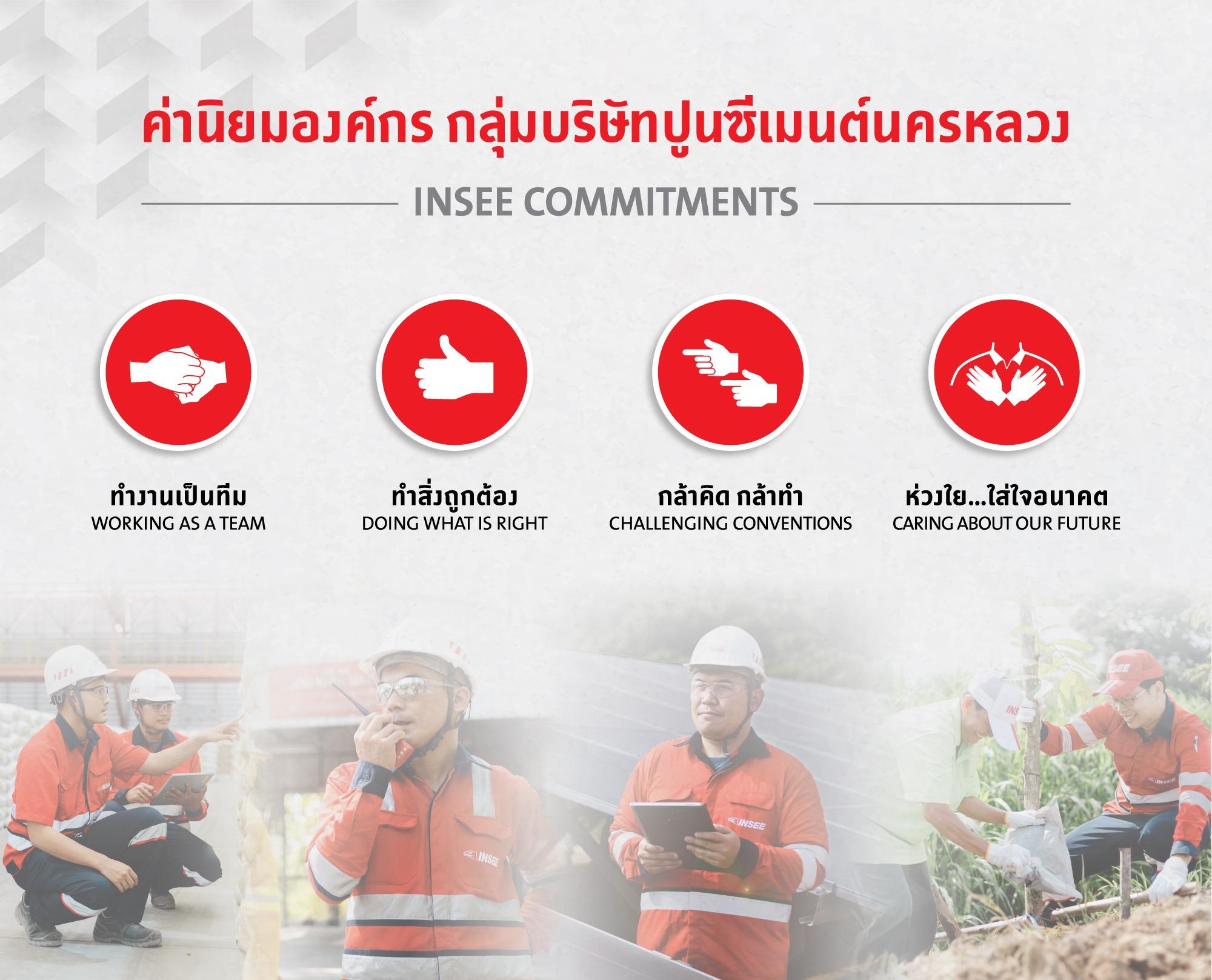
Working as a team - One group, one vision, one team united in heart with our business partners for the good of all.
Doing what is right - Staying true to ourselves and each other, maintaining the highest standards of discipline and integrity in everything we say and do.
Challenging conventions - We are imaginative and always open to new ideas. We approach every business challenge with enthusiasm and strive to deliver innovative solutions beyond expectations.
Caring about our future - We are committed to creating a positive future for generations to come. Caring for
our people, our environment, our community, our nation.
Business Strategies
In 2025, the cement and construction industry was navigating an uncertain environment marked by rising global trade tensions, and political and policy instability, particularly from shifting tariff regimes and geopolitical risks. Regionally, challenges included subdued private and residential consumption, tightening credit conditions, and delayed infrastructure execution due to political and fiscal constraints as well as natural disaster like flooding in southern Thailand, and cyclone Ditwah in Sri Lanka. Despite these headwinds, opportunities persist through public infrastructure investment, tourism recovery, and the push for sustainable construction solutions. SCCC Group is well-positioned to leverage these opportunities by prioritizing strategic growth, operational efficiency, and sustainability. The following outlines our approach to navigating global volatility and achieving market leadership in the Asia-Pacific construction and building materials industry.
Our key focus areas include:
Secure topline and market share
To protect revenue amid slower market recovery, the group defended and grew profitable market share through targeted white space expansion, new product launches, and value-added solutions/applications. Channel management strategy is used to navigate intense competition and maintain Topline performance.
Drive margin growth and capital efficiency
The Group pursued integrated margin management through diversifying product portfolios and sales channels, particularly in Cement, Ready-mixed Concrete (RMX), and Aggregates (AGG). Capital-efficient growth was achieved through strategic investments in high-return areas such as INSEE B.Grimm Solar (IBS) in Saraburi province and
INSEE Chonburi Aggregate (ICHO) in Chonburi province, further supported by disciplined management of fixed costs.
The goal is to deliver stable earnings per share (EPS) and enhance shareholder value.
Strengthen operational and cost leadership
Operational agility and cost discipline remain central. The Group continues to prioritize lowest delivery cost across
all operating companies, supported by the FIT Plus framework for continuous improvement. Better planning and execution drive reliability, while strong cash conversion and gearing ensure financial resilience.
Accelerate technology / Digital / Innovation
Our SAP S/4 HANA upgrade has gone live across five countries since November 2025, elevating operational agility, enabling data-driven decision-making, and laying the foundation for future technology and digital integration and transformation across the Group.
Leadership excellence and strengthen governance
The people’s capability and competency are our key strategic enablers. The new performance management system has integrated individual performance with leadership competencies, and our people strategies are fully aligned with business goals. Governance is reinforced through transparent decision-making and strict compliance across all entities, ensuring accountability and stakeholder trust.
In summary, the SCCC Group remains focused on securing topline growth through market share protection, and value-added solutions/applications, while driving margin improvement via new product portfolios and capital-efficient investments. Operational and cost leadership remain cornerstone, supported by FIT Plus initiatives and strong financial prudence. Accelerated technology/Digital/innovation, and elevating commercial and technical competencies, fostering an agile, future-ready workforce underpin long-term resilience and stakeholder value across all markets.
Other Information
| Name | Description | ||||||||||||||||||||||||||||||||||||||||||||||||||||||||||||||||||||||
|---|---|---|---|---|---|---|---|---|---|---|---|---|---|---|---|---|---|---|---|---|---|---|---|---|---|---|---|---|---|---|---|---|---|---|---|---|---|---|---|---|---|---|---|---|---|---|---|---|---|---|---|---|---|---|---|---|---|---|---|---|---|---|---|---|---|---|---|---|---|---|---|
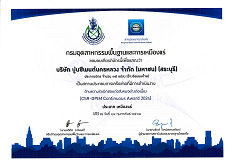
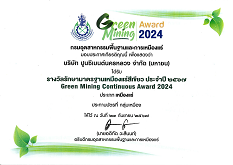
| Our Pride | Awards and Recognition
|




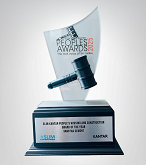
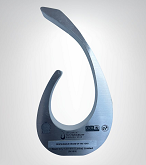
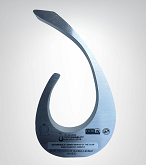
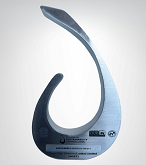
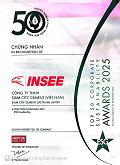
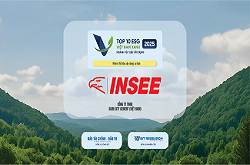
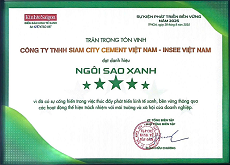
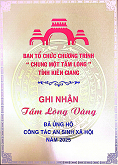
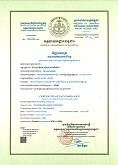
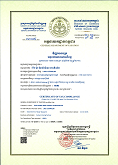
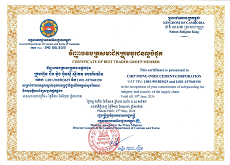
Material Changes & Developments
Introduction
In 2025, SCCC Group undertook transformative steps to strengthen its financial foundation, operational agility, and sustainability leadership. The Group made strong progress across several strategic initiatives aimed at securing long-term resource stability, enhancing operational efficiency, and accelerating sustainability and digital transformation. These developments reflect the Group’s commitment to future-ready infrastructure, energy transition, and organizational agility.
Key highlights:
Enhance value stream
The INSEE Chonburi (ICHO) Aggregate crushing plant construction is progressing with accelerated timelines and
resource mobilization, positioning the facility for commissioning in early 2026 to strengthen aggregate capabilities.
Accelerating renewable energy transition
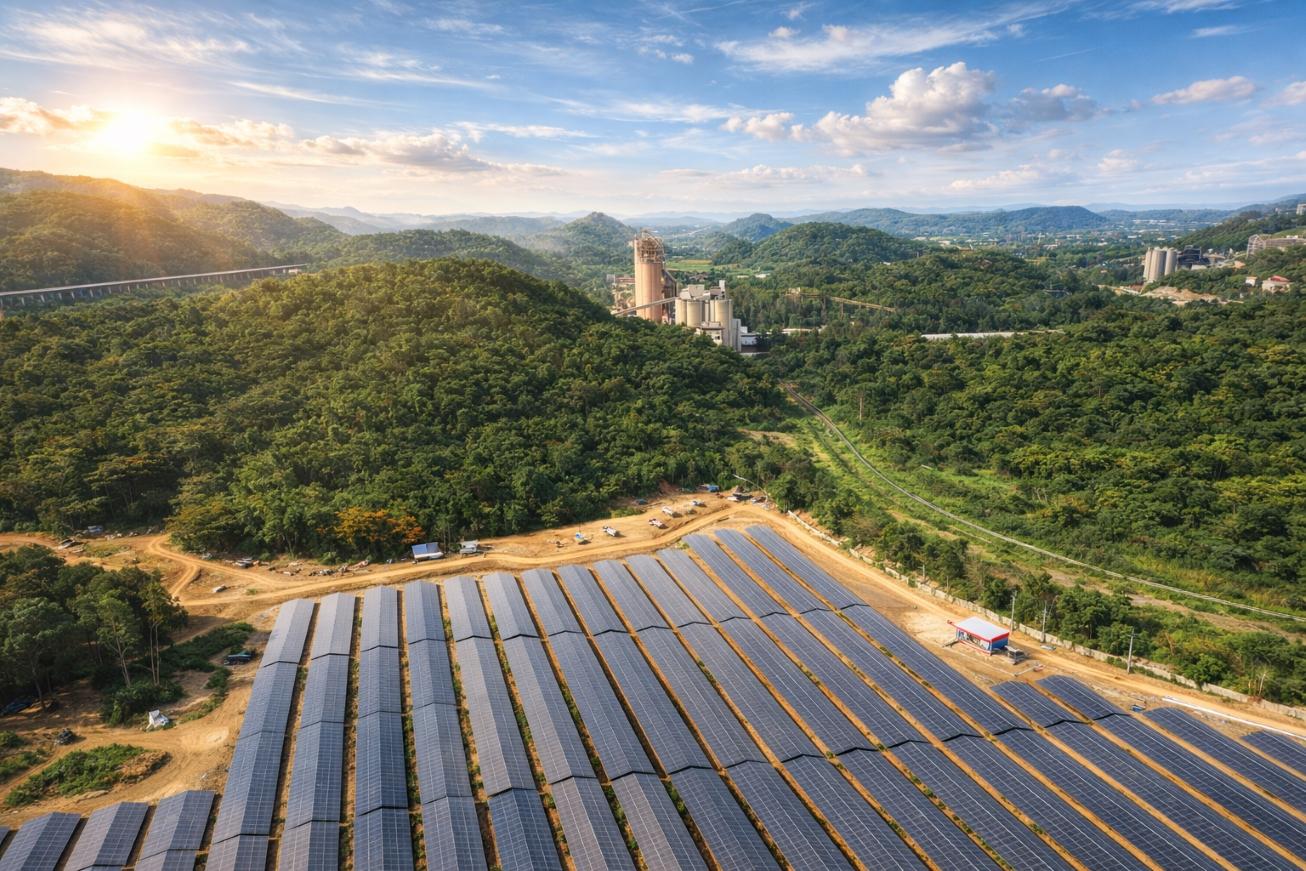
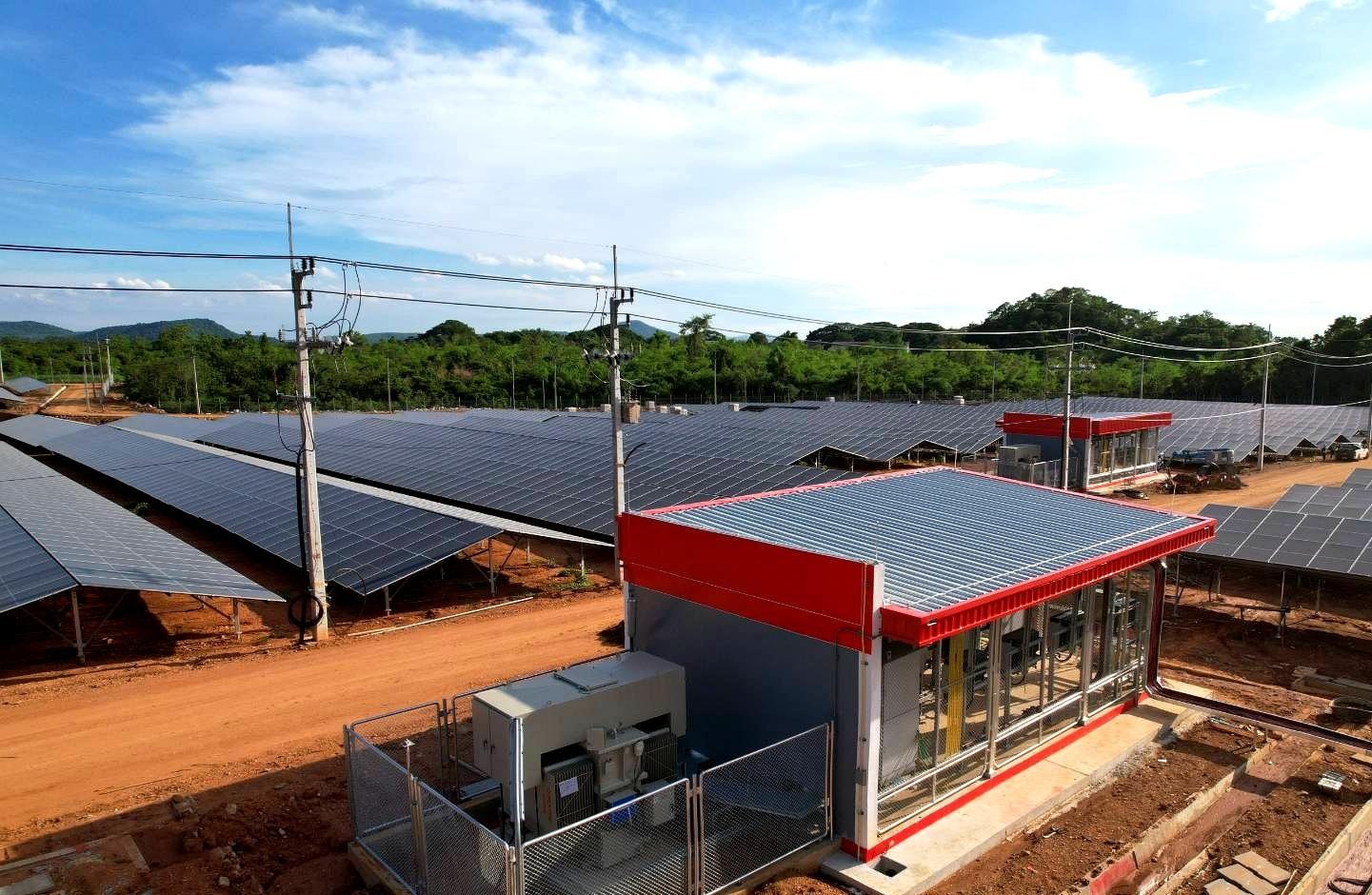
The construction phase of INSEE B.Grimm Solar Project is 100 percent completed, marking a major milestone in
our renewable energy transition. Commercial operation is expected in early 2026, unlocking long-term energy efficiency
and sustainability benefits. Once fully operational, solar energy will replace 10 percent of our total electricity consumption and raise the consolidated renewable energy in Thailand operations to 35 percent.
Laying a strong foundation to drive digital transformation
The SAP S/4HANA upgrade has gone live since November 2025 across five countries, following rigorous testing, training, and continuity planning, laying a strong foundation for enhanced operational agility, data-driven decision-making, and future digital transformation across the Group.
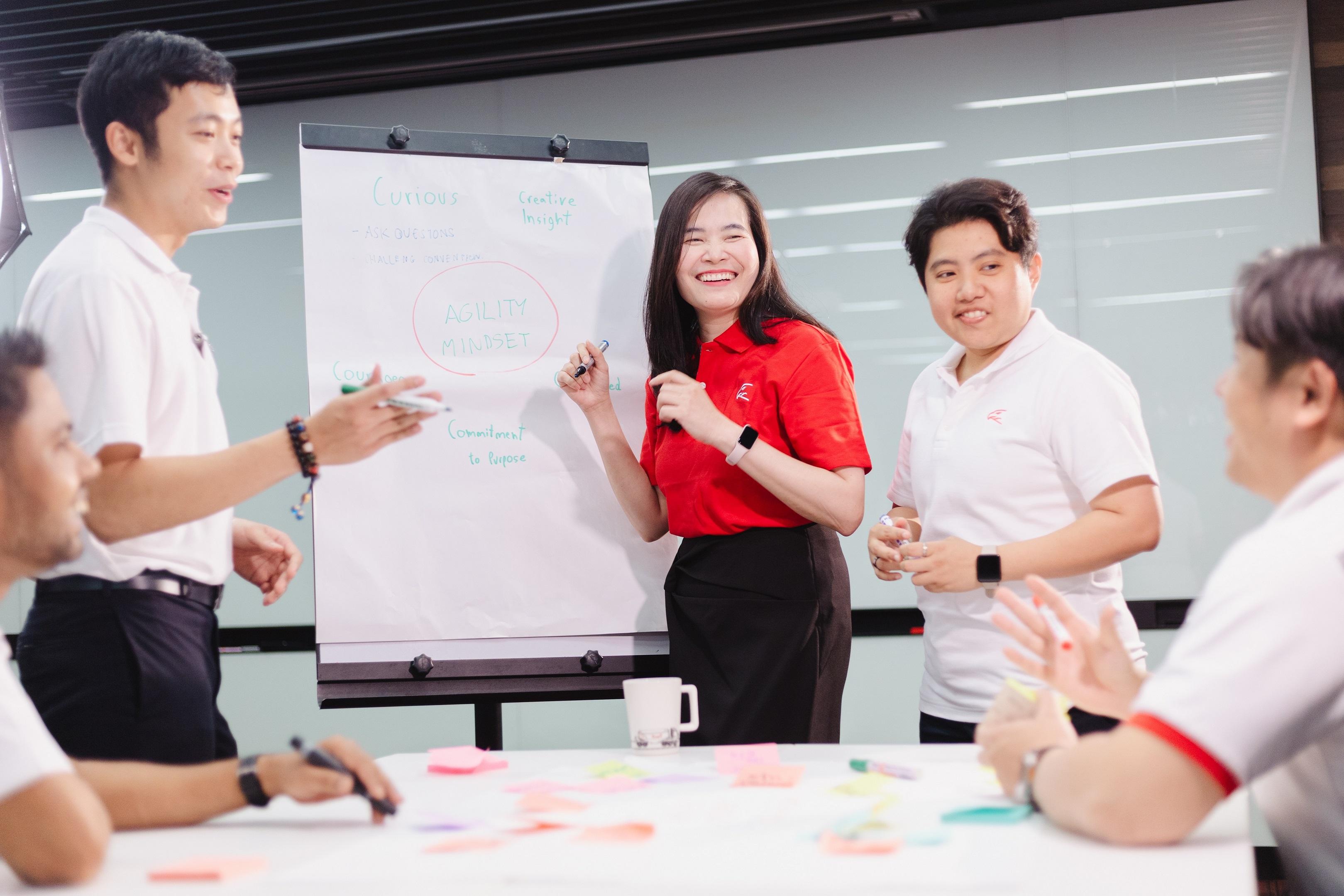
People capability
Our priority remains people transformation i.e., commercial capability, talent & succession, leadership development, and strengthen technical training and capability building.
Material Changes & Developments
| Year | Description |
|---|---|
| 1,969 | Siam City Cement Company was founded on 16 May 1969, with initial registered capital of THB 100 million. |
| 1,972 | Cement production started. |
| 1,977 | SCCC became a listed company on The Stock Exchange of Thailand. |
| 1,981 | SCCC was the first Thai cement producer to substitute imported bunker oil with lignite coal in the production process. |
| 1,989 | SCCC became the first cement producer in Southeast Asia to introduce a Waste Heat Recovery System in the production of electricity for its own production process. |
| 1,993 | Became a fully listed company and renamed “Siam City Cement Public Company Limited”. |
| 1,999 | Company restructuring was completed. Registered capital of THB 3 billion. |
| 2,013 | The Company acquired Superblock Company Limited, lightweight concrete plant in Singburi province and Prosperity Concrete Company in Ratchaburi province. |
| 2,015 | Invested with a 40 percent stake in a joint venture, Chip Mong INSEE Cement Corporation in the Kingdom of Cambodia to build the most modern cement plant in the country. |
| 2,016 | Cement Business Expansion in Bangladesh, Sri Lanka, Vietnam, asset acquisition in the industrial cleaning service business and forming the trading business. |
| 2,019 | The 50th Anniversary of Siam City Cement Public Company Limited. |
| 2,021 | Established “INSEE Sustainability Ambition 2030” and identified roadmaps to deliver our promises. |
| 2,023 | SCCC Group accelerated decarbonization of its products in Thailand, Vietnam and Sri Lanka. |
| 2,024 | Business portfolio restructured, Lanna Resources Public Company Limited become a subsidiary. |
| 2,025 | Delivered strong financial performance and established a foundation for technology and digital transformation, positioning the Group for long-term growth and regional leadership. |
Use of Proceeds from Securities Offerings
Is There Money Raised from a Securities Offering Still to Report On?
No
Commitments Made in the Registration Statement
Are There Commitments or Conditions from an Offering or Listing?
No
Group Operating-Structure Policy
Description
Siam City Cement Public Company Limited (the “Company”) operates its own core businesses as an operating company, while also undertaking strategic investments through equity ownership in companies in Thailand and overseas. These investments include subsidiaries, indirect subsidiaries, listed companies, and joint ventures, established to support and enhance the Company’s business strategy, long term competitiveness, and sustainable value creation. All operations and investments are conducted under a robust framework of good corporate governance, transparency, and prudent risk management.
The Board of Directors recognizes its responsibility to oversee both the Company’s own operations and its investments in other entities, in its capacity as a significant shareholder. The Board ensures that the governance of investee companies is aligned with the Group’s strategic direction, risk appetite, and corporate values, while respecting the nature, scale, and operating context of each entity. To this end, the Board has established clear policies, governance structures, and oversight mechanisms under the Organizational Regulations, Charters, and the Group Memorandum of Authority (Group MOA) to promote accountability, consistency, and effective supervision across the Group.
Board Oversight and Accountability over Subsidiaries and Invested Entities
The Board of Directors exercises strategic guidance and effective oversight over subsidiaries and invested entities through a set of integrated and complementary mechanisms, with the objective of ensuring that each entity contributes to the long term value creation of the Group as a whole.
First, the Board places strong emphasis on the governance structure and leadership of subsidiaries. The Board is involved in the consideration of qualifications and the approval of the appointment of directors, chairpersons, chief executive officers (CEO), chief financial officers (CFO), senior executives, and key management personnel of subsidiaries. This approach ensures that each subsidiary is led by individuals with appropriate competence, experience, and integrity, and that management practices are aligned with the Group’s policies and governance standards.
For subsidiaries in which the Company holds more than 90 percent of the shareholding, the Board has mandated the Group Chief Executive Officer (GCEO) to ensure that a member of the Group Executive Committee (GEXCO) is appointed as Chairman of the subsidiary’s board. This arrangement strengthens the linkage between Group level strategy and subsidiary level execution, facilitates effective monitoring of performance, and ensures timely escalation of material matters to the Board of Directors. For subsidiaries or joint ventures with other shareholders, the Board ensures that directors are appointed in accordance with shareholding proportions and shareholder agreements. In addition, the Company designates a lead representative director to act as the principal liaison, responsible for bringing significant strategic, financial, risk related, and governance matters to the Board of Directors. This enables the Board to exercise appropriate oversight and policy direction in its role as a major investor and shareholder.
Second, the Board defines matters that must be governed by Group level policies and approval frameworks under the Group MOA. These include, among others, significant investments, major transactions, risk management matters, and the annual business plans and budgets of subsidiaries. Subsidiaries are required to submit their business plans and budgets for the Board’s consideration, ensuring that strategic decisions and resource allocation across the Group are coherent, disciplined, and aligned with the Company’s overall risk appetite.
Third, the Board provides direction to management on the use of shared services to support subsidiaries where appropriate, with the objective of enhancing operational efficiency and governance effectiveness. Shared services may cover selected back office and support functions such as human resources, finance and accounting, legal services, corporate governance, and company secretarial services, including the organization of subsidiary board meetings. This approach allows subsidiaries to focus on their core operations while maintaining consistent internal controls and governance standards across the Group.
Monitoring, Reporting, and Board Accountability
Subsidiaries hold board meetings appropriate to their business and governance requirements, with participation by Group appointed directors and, where relevant, Group executives. Key matters arising from these meetings such as operating performance, strategic developments, material risks, and issues requiring Group level support are regularly reported to the GCEO, GEXCO, and the Board of Directors.
The integration of operational management, investment oversight, policy setting, and performance monitoring reflects the Board of Directors’ accountability for ensuring sound governance, transparency, and responsible decision making across both the Company’s own operations and its investments. Through this governance framework, the Board seeks to support prudent risk management, effective oversight, and sustainable long term value creation for the Company and its stakeholders.
Companies Where the Company Holds ≥10%
Companies (≥10% Holding)
| Company Name | Address | Province | Zip Code | Telephone | Business Type | Security Type | Shares | Paid-up Shares |
|---|---|---|---|---|---|---|---|---|
| Siam City Concrete Company Limited | Column Tower, 3rd, 10th, 12th Floor, 199 Ratchadapisek Road, Klongtoey, | Bangkok | 10110 | 02 797 7555 | Ready-mixed concrete and aggregates | Common shares | 25,000,000 | 25,000,000 |
| INSEE Ecocycle Company Limited | Column Tower, 3rd, 10th, 12th Floor, 199 Ratchadapisek Road, Klongtoey, | Bangkok | 10110 | + 66 2 797 7000 | Industrial waste disposal and alternative fuel and raw material trading and industrial cleaning service business | Common shares | 4,000,000 | 4,000,000 |
| INSEE Superblock Company Limited | Column Tower, 3rd, 10th, 12th Floor, 199 Ratchadapisek Road, Klongtoey, | Bangkok | 10110 | + 66 2 797 7000 | Light-weight concrete products | Common shares | 5,000,000 | 5,000,000 |
| Conwood Company Limited | Crystal Design Center, L1 Building, Room No.111, 1st Floor, 1448/14 Soi Ladprao 87 (Chantrasuk), Klongchan, Bangkapi | Bangkok | 10240 | + 66 2 797 7444 | Construction material | Common shares | 3,000,000 | 3,000,000 |
| Siam City Power Company Limited | Column Tower, 3rd, 10th, 12th Floor, 199 Ratchadapisek Road, Klongtoey, | Bangkok | 10110 | + 662 797 7000 | Electricity generation from waste heat | Common shares | 20,000,000 | 20,000,000 |
| INSEE Digital Company Limited | Column Tower, 3rd, 10th, 12th Floor, 199 Ratchadapisek Road, Klongtoey, | Bangkok | 10110 | + 66 2 797 7000 | Technical services and information technology management and development services | Common shares | 7,000,000 | 7,000,000 |
| Siam City Cement Trading Company Limited | Column Tower, 3rd, 10th, 12th Floor, 199 Ratchadapisek Road, Klongtoey, | Bangkok | 10110 | + 66 2 797 7000 | Import and export cement and other cementrelated products | Common shares | 1,000,000 | 1,000,000 |
| Globe Cement Company Limited (3) | Column Tower, 3rd, 10th, 12th Floor, 199 Ratchadapisek Road, Klongtoey, | Bangkok | 10110 | + 66 2 797 7000 | Cement manufacturing | Common shares | 7,010,000 | 7,010,000 |
| Siam City Cement (Bangladesh) Limited | Tower 52 (9th Floor), Road-11, Block-C Banani Model Town, Dhaka-1213, Bangladesh | Foreign country | + 88 09609 011 200 | Cement manufacturing | Common shares | 52,287,242 | 52,287,242 | |
| Siam City Cement (Vietnam) Limited (4) | Etown Central - 11 Doan Van Bo, Ward 13, District 4, Ho Chi Minh City, Vietnam | Foreign country | + 84 28 73 017 018 | Cement manufacturing | Other | 0 | 0 | |
| Siam City Cement (Lanka) Limited | Level 25, Access Tower II, No. 278/4, Union Place, Colombo 2, Sri Lanka | Foreign country | +94 11 7 800800 | Cement manufacturing | Common shares | 164,065,201 | 165,630,791 | |
| Lanna Resources Public Company Limited | 888/99 Mahathun Plaza Building, 9th Floor, Ploenchit Road, Lumpini, Pathumwan, | Bangkok | 10330 | +66 2 253 8080 | Coal production and distribution | Common shares | 322,562,790 | 524,999,679 |
| Chip Mong INSEE Cement Corporation | ANINA Building, No. 240, Street 271, Sangkat Boeung Tumpun, Khan Mean Chey, Phnom Penh, Cambodia | Foreign country | +62 21 5296 2146 | Cement manufacturing | Common shares | 30,000 | 75,000 |
Income Structure
Product / Service Income
| Category | Description | This Year | This Year % | Last Year | Last Year % | 2 Years Ago | 2 Years Ago % |
|---|---|---|---|---|---|---|---|
| Total revenue from operations | Total revenue from operations | 54,198,261 | 100 | 43,790,454 | 100 | 42,218,216 | 100 |
| Cement | 28,798,223 | 53.13 | 28,208,708 | 64.42 | 28,443,977 | 67.37 | |
| Concrete and Aggregates | 7,033,044 | 12.98 | 6,950,928 | 15.87 | 7,235,241 | 17.14 | |
| Light Building Materials | 2,294,307 | 4.23 | 2,787,122 | 6.36 | 3,204,481 | 7.59 | |
| Waste management and industrial services | 1,428,785 | 2.64 | 1,583,230 | 3.62 | 1,093,190 | 2.59 | |
| Energy | 14,627,368 | 26.99 | 4,241,800 | 9.69 | 0 | 0 | |
| Other | Other | 16,534 | 0.03 | 18,666 | 0.04 | 2,241,327 | 5.31 |
Export Income
| Category | Description | This Year | This Year % | Last Year | Last Year % | 2 Years Ago | 2 Years Ago % |
|---|---|---|---|---|---|---|---|
| Total revenue | Total revenue from operations | 54,198,261 | 100 | 43,790,454 | 100 | 42,218,216 | 100 |
| Domestic | Domestic | 28,574,548 | 52.72 | 26,210,497 | 59.85 | 27,412,648 | 64.93 |
| International | International | 25,623,713 | 47.28 | 17,579,957 | 40.15 | 14,805,568 | 35.07 |
| Sri Lanka | Sri Lanka | 4,931,080 | 19.24 | 4,929,818 | 28.04 | 4,543,000 | 30.68 |
| Vietnam | Vietnam | 5,869,773 | 22.91 | 5,289,868 | 30.09 | 4,949,000 | 33.43 |
| Singapore | Singapore | 1,954,682 | 7.63 | 1,879,387 | 10.69 | 0 | 0 |
| Australia | Australia | 287,157 | 1.12 | 1,359,383 | 7.73 | 1,857,637 | 12.55 |
| Bangladesh | Bangladesh | 1,068,679 | 4.17 | 1,235,024 | 7.03 | 1,524,000 | 10.29 |
| Cambodia | Cambodia | 158,485 | 0.62 | 127,270 | 0.72 | 581,865 | 3.93 |
| Indonesia | Indonesia | 3,290,439 | 12.84 | 934,129 | 5.31 | 0 | 0 |
| India | India | 7,019,378 | 27.39 | 622,821 | 3.54 | 0 | 0 |
| United Arab Emirates | United Arab Emirates | 349,848 | 1.37 | 373,388 | 2.12 | 0 | 0 |
| Other countries | Other countries | 694,192 | 2.71 | 828,869 | 4.71 | 1,350,066 | 9.12 |
Other Income
| Operating Other Income | Non-Operating Other Income | Share of Profit |
|---|---|---|
| 1710 · As of year: 177585.0 · Description: Total other income · As of yesteryear: 2272304.0 · As of year before yesteryear: 210514.0 · 1711 · As of year: 177569.0 · Description: Other income from operations · As of yesteryear: 254994.0 · As of year before yesteryear: 210514.0 | 1712 · As of year: 16.0 · Description: Other income not from operations · As of yesteryear: 2017310.0 · As of year before yesteryear: 0.0 | 1713 · As of year: 361363.0 · Description: Share of profit · As of yesteryear: 792937.0 · As of year before yesteryear: 1210842.0 |
Product / Service Characteristics
Introduction
The Group's business portfolio is organized into four key segments:
1. Cement, Ready-mixed Concrete and Aggregates
2. Waste Management and Industrial Services
3. Light Building Materials (LBM)
4. Energy
These operations span across Thailand, Vietnam, Sri Lanka, Bangladesh, Cambodia and Indonesia.
Business Type
3114
Business Groups
| Business Group | Description |
|---|---|
| Cement, Ready-mixed Concrete and Aggregates Segment | Product or Service Information Siam City Cement Public Company Limited is a leading producer and distributor of high-quality cement under the “INSEE” brand and a leading provider of ready-mixed concrete, aggregates products and service solutions. With more than 55 years of industry experience, the Company has consistently earned the trust of customers. Operations currently consist of:
Characteristics of the Products or Services The Company remains committed to continuous development and innovation, delivering superior products and services that meet the diverse needs of all customer segments while promoting sustainable development to create long-term value for society and the environment. Cement Business Siam City Cement Public Company Limited The Company offers a comprehensive portfolio of cement products. In Thailand, this is spread across five main categories to serve a wide range of construction requirements:
with a smooth and refined surface.
Cement Market Situation in 2025 In Thailand, domestic cement consumption declined in 2025 when compared to 2024. This was due primarily to three factors:
Overcapacity continues to be an issue in Vietnam although inroads were made to regain market share in core markets across both the distribution and manufacturing & builder segments. According to VNCA, total domestic consumption reached 37.201 million tons, marking an 18 percent increase compared to the first six months of 2024. Sri Lanka’s cement industry showed early signs of recovery, supported by economic stabilization, continued reductions in central bank interest rates and lower rainfall compared to last year. Domestic cement demand rose to 5 million tons in 2025, up from 4.4 million tons in 2024. Despite this positive trend, the industry continues to face significant structural challenges.
in the country remains heavy. Cement Industry Outlook in 2026 In 2026, the cement industry is expected to grow, supported by the recovery of overall construction investment in both the public and private sectors. Growth in Thailand will be driven by large-scale government projects, such as the Eastern Economic Corridor (EEC), which serves as a key engine for future economic and industrial development. Additionally, cement exports will target new markets, reducing reliance on the CLM countries. Nevertheless, the industry continues to face significant challenges. First, the influx of low-priced cement imports from China has intensified competition, eroding market share for domestic producers and forcing price adjustments to remain competitive. Second, persistently high cement prices, resulting from rising production costs, have increased the financial burden on both contractors and end-users. This has led many contractors to postpone or delay non-urgent projects until construction material costs stabilize. Elsewhere, some end-users are turning to lower-cost substitutes or deferring their investment decisions. Business Opportunities Business opportunities for the Thai cement industry in 2026 are diverse. Most customer segments are now seeking environmentally friendly products in line with Environmental, Social, and Governance (ESG) principles. The production of hydraulic cement will become even more important as it reduces the clinker burning process and lowers carbon dioxide emissions. At the same time, the industry continues to pivot to renewable and alternative energy sources as well as upgrading kiln technologies to improve energy efficiency. These efforts not only help reduce production costs but also expand the customer base, particularly among those who place high importance on environmental sustainability. The Company continues to expand its footprint in the ASEAN region, offering Portland cement, hydraulic cement and mixed cement under customized brands tailored to local market needs. Currently, exports are distributed to Laos, Myanmar and Cambodia but there is an opportunity to broaden distribution channels and generate greater revenue. Meanwhile, forging strategic partnerships with contractors and property developers helps secure long-term sales and mitigate market volatility, thereby positioning the industry for stable and sustainable growth. There have been efforts to strengthen the Company’s retail portfolio further by launching products cater to value-conscious customers. An example of this can be found in Sri Lanka where the Mahamera Cement brand was launched in 2025. Competitive Strengths Siam City Cement Public Company Limited has over 55 years of experience in the Thai cement industry, providing the Company with in-depth expertise in production processes, management and market demand. The Company was also among the first cement producers to be listed on the Stock Exchange of Thailand in 1977, underscoring its financial stability, credibility and ability to access funding for continuous business development. On the production side, the Company is committed to developing high-quality cement products that address the diverse needs of all customer segments, from large-scale infrastructure projects and residential developments to small contractors. Additionally, the Company places strong emphasis on environmentally friendly product development, such as hydraulic cement, and the adoption of production technologies that reduce carbon dioxide emissions. These initiatives demonstrate the Company’s responsibility toward society and the environment while delivering customer satisfaction. The Company continues to position itself in Vietnam as not just a materials supplier, but as an innovation and sustainability partner. By integrating project-specific concrete solutions with a robust clinker factor reduction roadmap, contributions are made to lowering national emissions while ensuring durability and efficiency for iconic projects that are reshaping Vietnam’s economic and urban future. INSEE Cement continues to lead Sri Lanka’s cement industry, holding a dominant 31 percent market share in the retail market and an average 38 percent market share in the B2B segment. This position provides a platform to promote new product lines. Business Innovation Development of the Products, Services, or Business Groups Siam City Cement recognizes the pivotal role innovation has in driving the business toward a sustainable future. In response to environmental challenges, rapidly changing customer demands and the transformation of the construction industry in the digital era, the Company remains committed to continuously advancing innovation in products, services and business models. In terms of products, the Company has developed a range of low-carbon cements designed to meet diverse customer needs while reducing greenhouse gas emissions. Key innovations include:
These products address a wide variety of applications such as piles, floor slabs, wall panels and concrete pipes. Elsewhere, the Globe Cement product line represents a range of high-quality cement designed to cover both structural applications as well as mixed cement for masonry, plastering and casting. It has been specifically developed to meet the modern trade segment’s evolving demands while maintaining a strong commitment to quality and environmental sustainability. In terms of services, the Company has the INSEE Mini RMX Program to support small and emerging ready-mixed concrete producers. The program provides knowledge transfer, production standards training, cost advisory services and essential equipment support. This initiative unlocks business growth opportunities for entrepreneurs while strengthening a sustainable partner network across the value chain. The integration of these product and service innovations not only reinforces the Company’s competitive advantage but also underscores its commitment to leading the transition toward a sustainable construction industry. This aligns with the Company’s ambition to achieve net-zero greenhouse gas emissions and deliver long-term value to all stakeholders. Operations in Vietnam continue to focus on the Innovation to Industry (i2i) program that enables INSEE to deliver tailor-made solutions that respond directly to the specific requirements of complex infrastructure works and urban development projects. Most notably, the i2i Green Service is helping customers achieve significant CO2 reductions ensuring they can comply with green building certifications. That is increasingly important given Vietnam’s commitment to decarbonization and its Net Zero 2050 roadmap. Also in Vietnam, the Lab2Site program continued in 2025. The program provides contractors and masons with real-time testing and consultancy at construction sites. With hundreds of sites engaged, this has proven to be one of the most effective demand-generation tools for driving end-user adoption and boosting sales across the distribution channel. In Sri Lanka, the Company successfully completed several strategic innovation projects, including INSEE Micro Concrete, a high-tech solution for structural strengthening and retrofitting; setting time reduction in CPM concrete through calcium bypass addition; and fast demolding product development with Marine Plus for the CPM market. A new composite cement, INSEE Green, was launched in Bangladesh. The product is tailored to the specific soil and weather conditions of northern Bangladesh and uses slag and fly ash as its primary components. These innovations strengthen the company’s competitive position and reinforce its leadership in sustainable construction materials across all markets it has a presence in. Major Development Siam City Cement Public Company Limited In 2025, Siam City Cement Public Company Limited continued to drive progress across all business lines, ensuring resilience amidst changes in the construction industry while fostering sustainable growth. Here is a look at the key developments happening in each market. Thailand: New Products Reduce Emissions, Focus on Specific Applications The Company successfully increased the proportion of hydraulic cement to over 90 percent of total products. Meanwhile, two new products were introduced in August 2025 that not only contribute significantly to reducing greenhouse gas emissions but are also designed with performance features tailored to specific applications:
The introduction of these new products marks a significant milestone in the Company’s product development strategy. It also underscores the Company’s commitment to innovation and sustainability by addressing specific market needs, enhancing functional performance, reducing environmental impact and advancing responsible business practices toward a sustainable future. Driving sustainable growth and competitiveness in cement logistics was another significant development area in 2025. New distribution centers allowed the Company to transition from truck-based transportation to shipping by vessel, significantly reducing carbon emissions. The facility has been designed and operated with a focus on environmental and community friendliness, while investments in high-efficiency machinery ensure the reliable delivery of premium-quality cement products. These initiatives reinforce our commitment to environmental sustainability and social responsibility. Investments in renewable energy continued as well. There was the installation of solar panels in the parking area at Saraburi Plant to reduce electricity consumption. Preparations for Electric Vehicle (EV) charging stations to support cleaner transportation are ongoing. Saraburi Operations Production: Process Efficiency Improvement Continue Since 2023, the Company has continuously implemented process efficiency improvement projects to reduce production costs. These initiatives have been carried out under the names FIT Plus, FIT4+ in 2024, and FIT Forward in 2025. All projects continue to focus on four core strategies across all departments within the cement business:
Cost Management Strategy Supported Through Key Initiatives At the Saraburi Plant, efforts to support the cost management strategy have been implemented through five initiatives:
in accordance with Thai Industry Standards. On the production side, this year the company has invested in constructing a new online mixing line to increase the production capacity of INSEE Petch Plus to 1 million tons per year, up from 800,000. This new mixing line has been designed to reduce clinker usage by up to 5 percent compared to the previous production line. For 2025, the Saraburi site has set a target to reduce the clinker factor by 1.5 percent.
On the production side, the goal is to maximize the use of alternative fuels at the feeder's maximum capacity. A critical success factor is controlling the quality of alternative fuels to align with usage agreements. Additionally, reducing the cost of preparing alternative fuels is another important measure prioritized by both the Saraburi Plant and IECO to achieve maximum fuel cost savings. Targets in 2025 were to raise TSR by 1 percent and increase TEE by 0.5 percent compared to the budget plan.
2 percent, equivalent to 70 megajoules per ton of clinker. For electrical energy reduction, ongoing measures include improving fan efficiency, replacing fixed speed fans with variable frequency drive (VFD) fans and collaborating with international cement experts to enhance equipment and process efficiency. The 2025 targets included:
Additionally, the company is implementing a solar power generation project under INSEE B.Grimm Solar Company Limited (IBS). Solar panel installation began in 2024 across more than 400 rai of land and on building rooftops. By Q4 of 2025, the project was expected to generate up to 82 megawatts of electricity. Starting in 2026, carbon dioxide emissions will be reduced by 44,000 tons annually.
For the year 2025, the Saraburi Plant set the following cost reduction targets:
that are more cost-effective than natural resources. The goal was to reduce production costs. Alternatives include synthetic gypsum, materials with high alumina content, industrial waste-derived substitutes and the use of high-quality clay to reduce the consumption volume required in the production process. For 2025, the project set the following targets:
to reduce production costs by 36.5 million baht compared to the 2025 budget.
Corporate Learning & Leadership Development In 2025, SCCC Group reinforced its commitment to fostering a culture of continuous learning and leadership growth through a combination of face-to-face and virtual classrooms, ensuring that development opportunities are accessible to all. A key priority was supporting every employee in creating meaningful Individual Development Plans (IDPs) in collaboration with their supervisors—ensuring that development remains personalized, actionable, and aligned with individual career aspirations. INSEE Development Calendar was designed to align with the organization’s core and leadership competencies. Drawing on both employee development needs and SCCC’s long-term business goals, we delivered a series of tailored programs and targeted learning opportunities to strengthen skills across all levels of the organization. A major highlight of the year was the launch of INSEE People Manager Development Program – “License to Lead”, a flagship initiative aimed at developing people managers and strengthening their crucial roles in driving work performance and employee retention within the organization. Rolled out to supervisors at all levels, this program equips our leaders with the right mindset, tools, and essential skills to effectively guide, engage, and empower their teams throughout the employee lifecycle. By embedding leadership capability at the core of our people strategy, SCCC Group is nurturing leaders who not only drive performance and deliver business results but also foster a culture of engagement, trust, and collaboration—further strengthening INSEE’s reputation as a great place to work. In parallel, SCCC Group is taking proactive steps toward AI readiness by equipping our people with the knowledge and confidence to harness the power of Artificial Intelligence (AI) responsibly and effectively. The introduction of the AI for Work Program (Generative AI for Business Productivity) marks a significant milestone in this journey. This initiative focuses on raising AI awareness, enhancing AI literacy, and developing practical skills that enable INSEE members to leverage Generative AI to boost creativity, efficiency, and data-driven decision-making. Through these efforts, SCCC Group continues to invest in its people as the driving force of innovation and excellence, ensuring that our workforce remains agile, future-focused, and empowered to lead in an increasingly digital era. Talent Development Program to support Succession Planning At SCCC Group, we recognize that leadership capability is the cornerstone of sustainable business success. To ensure continuity, agility, and growth, we have designed customized Talent Development Programs to strengthen our succession planning for both mid- and senior-level management. These programs aim to build a strong, future-ready leadership pipeline that aligns with SCCC’s strategic goals and people development vision.
Together, these two programs mark a significant step forward in building a future-ready leadership pipeline for SCCC—anchored in authenticity, influence, and collaboration—while preparing leaders at every level to deliver performance, inspire teams, and ensure long-term organizational success. Leaders and Supervisors as Coaches SCCC Coaching program empowers senior executives to apply coaching mindsets, skills, and processes in daily leadership. Over three months, participants engage in hands-on coaching with their teams and cross-functional colleagues, enhancing performance and adaptability in a fast-changing business environment. To sustain impact, these senior executives were nominated as Coaching Champions, enabling the transfer of coaching skills through two levels Coaching for Performance and Coaching for Motivation and Growth—to first-and mid-level managers. This ensures consistent coaching practices across the organization.
The program has significantly contributed to SCCC employee engagement, with the Coaching Question score increasing from 67 percent in 2021 to 89 percent in 2025, reflecting stronger connections between leaders and teams. SCCC continues to foster a coaching culture that drives capability, engagement, and sustainable performance at all levels. Finance and Controlling The Finance team has enhanced efficiency and delivered sustainable performance across all functions. By applying artificial intelligence (AI), the team streamlined internal processes and improved cross-department communication. In addition to technology, efforts included workflow optimization, building new partnerships, implementing cost-saving measures, and optimizing turnaround times. Together, these initiatives reduced operational costs and advanced financial practices. Procurement Process Enhancement through Technology Integration Over the past year, the Procurement Department has continuously improved the procurement processes across the Group by integrating modern technologies to enhance operational efficiency. A key initiative includes increasing the number of suppliers connected directly to the online catalog and e-procurement systems. The adoption of these technologies aims to streamline operations, reduce unnecessary steps in the procurement workflow, and minimize paper usage. These efforts reflect the organization’s ongoing commitment to driving progress in alignment with Environmental, Social, and Governance (ESG) principles in a tangible and sustainable manner. Siam City Cement (Vietnam) Limited Vietnam: New Silos Installed, Major Upgrades Made Driven by the growing demand from key infrastructure projects in the Mekong Delta, INSEE took a significant step to strengthen its distribution footprint network with the successful commissioning of the Soc Trang Terminal in April 2024. The terminal has a storage capacity of 880 tons with four silos to serve bulk customers. It is expected to support vital projects, such as the Can Tho-Hau Giang-Ca Mau and Can Tho-Chau Doc-Soc Trang highways, among others. With future demand in 2025 projected to approximately double and the impact of fluctuating daily demand posing challenges, INSEE Vietnam decided to install four additional silos at the Soc Trang Terminal to increase total storage capacity to 1,760 tons. The upgrade was completed in November 2025, ensuring the terminal is able to further enhance supply reliability for large-scale infrastructure projects in the Mekong Delta. Additionally, INSEE Vietnam is investing in two major upgrades at the Thi Vai Plant to reduce bottlenecks for both the bag and bulk segments which has caused some customers to experience long queues during peak demand. The first upgrade was a new manual truck loader to strengthen bag cement dispatch capacity and ensure peak demand can be met more efficiently, reducing customer wait times and improving service reliability. Second, a new bulk truck dispatch point at Silo 3, equipped with advanced flow control and loading systems, will significantly increase bulk dispatch capability. Both are scheduled for completion in Q1 2026. Following the success of the FIT4+ project in 2024, the Company continues to run the FIT Forward project in 2025 with the aim of achieving +125 percent EBITDA Budget. Some of the key focus and success areas for 2025 were:
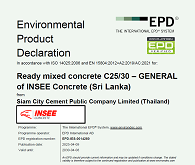
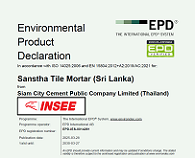
The combined benefits from operational efficiency improvements and increased sales volume have fully offset the adverse impact of lower average selling prices which was made possible through FIT Forward. Siam City Cement (Lanka) Limited Sri Lanka: The Country’s First EPD-certified Cement, Concrete and Mortar Solutions INSEE Mortar and Ready-mixed Concrete in Sri Lanka received the Environmental Product Declaration (EPD) certification in 2025. This is a globally recognized certification that offers transparent, third-party verified data about a product’s environmental impact across its life cycle. INSEE Lanka is the only company in the country with EPD-certified cement, concrete and mortar solutions. Siam City Cement (Bangladesh) Limited Bangladesh: New Launch Advances Sustainability The launch of INSEE ECO Plus+ in Bangladesh marked an important milestone in reducing overall clinker factor. It contributes to lower CO2 emissions and advances sustainability within the construction sector. Chip Mong INSEE Cement Corporation Cambodia: Progress Made on Process Innovation and Digitalization CMIC developed new bag packaging that aligns with market demand and sustainability requirements, including eco-friendly solutions and value-added cement products. The Company also launched a new Camel TVC as part of its continuous development in work processes and innovation management. To accelerate digital transformation, the Company expanded its online presence and engagement in the country through enhanced content strategies. Finally, the SAP S/4HANA Project Go-Live was completed in November 2025. This marked a major milestone in process innovation and digitalization with the new system streamlining cross-functional operations, improving data visibility, strengthening internal controls and enhancing decision-making efficiency. Through these and other initiatives, we continue to drive sustainable growth and competitiveness while fulfilling our responsibility to the environment and society. Ready-mixed Concrete and Aggregates Business an emphasis on developing products providing quality, technical reliability and compliance to international standards, while upholding environmental responsibility, sustainability and strict adherence to legal and regulatory requirements.
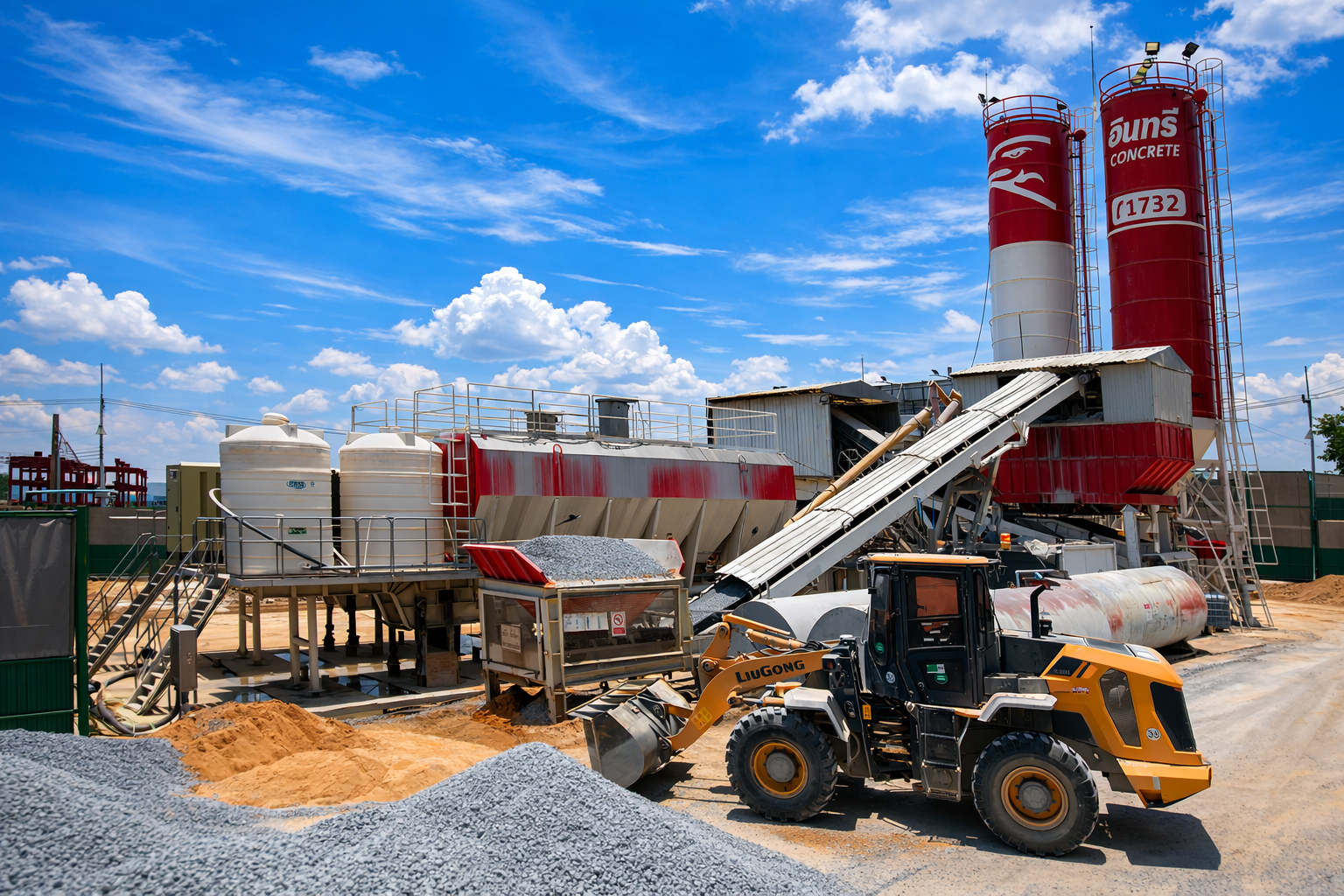
INSEE Concrete prioritizes the production of high-performance concrete solutions, including:
INSEE Aggregates is a leading producer and distributor of crushed rock and sand in Thailand. The product portfolio covers various high-quality rock and sand specifications for concrete required in construction, large-scale infrastructure projects and roadworks. Products are complemented by comprehensive technical support and reliable delivery services. In 2025, INSEE Aggregates achieved a key milestone with the launch of sustainable alternative manufactured sand. Branded as SANDTEC, it is designed to replace natural sand in concrete applications effectively. This innovation not only expands market reach but also strengthens INSEE’s brand positioning as a leader in innovation and sustainability. Business Innovation Development of the Products, Services, or Business Groups INSEE Concrete's growth strategy includes expanding its reach through franchise partnerships across Thailand to strengthening service coverage and customer reach. INSEE Concrete offers tailored solutions including mix design optimization, distribution channel support and on-site batching solutions. INSEE Aggregates is committed to driving innovation of sustainable products, namely STONETEC and SANDTEC. These offer superior particle shape, grading and consistency, allowing for enhanced concrete performance while supporting efficient resource use and reducing environmental impact. Major Development INSEE Concrete dramatically enhanced its operational reach and customer service capabilities through dual-strategy expansion. The first prong was the commissioning of an additional eight owned plants, ensuring superior quality control, operational efficiency, and direct market penetration in key strategic areas. The second prong involved the establishment of 18 new franchise partnerships to significantly extend INSEE Concrete’s reach into diverse regional markets. Building Partnerships with All Stakeholders There was also a focus on building strong partnerships via collaboration with customers, suppliers and universities to develop next-generation solutions that empower sustainability efforts.
The early 2026 commercial launch of the Chonburi greenfield quarry project will support INSEE Aggregates’ market growth, strengthening its presence on the Eastern Seaboard. The facility will have an initial Line 1 capacity of 1.2 million tons per year with an additional 1.2-million-ton Line 2 planned for 2027. |
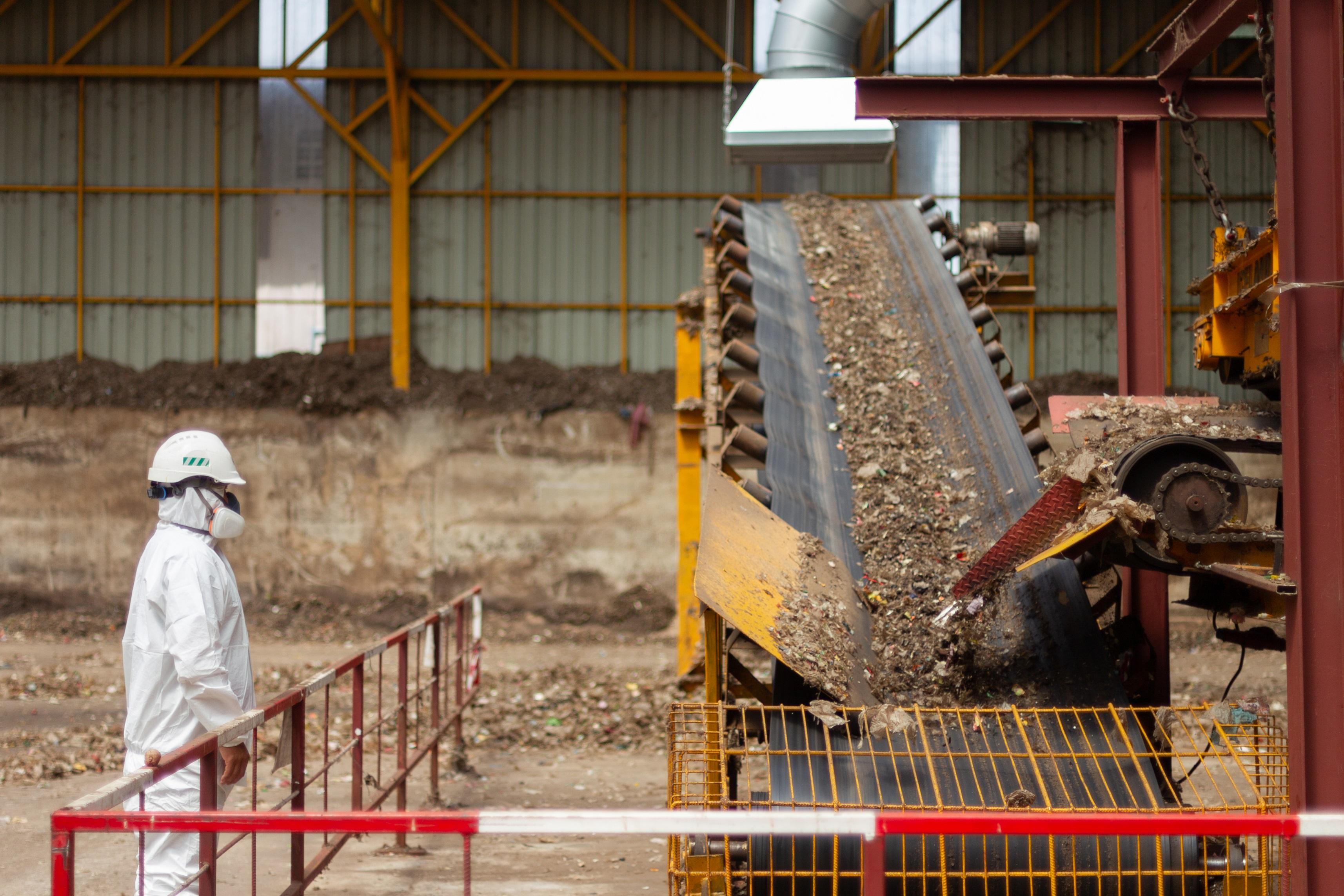
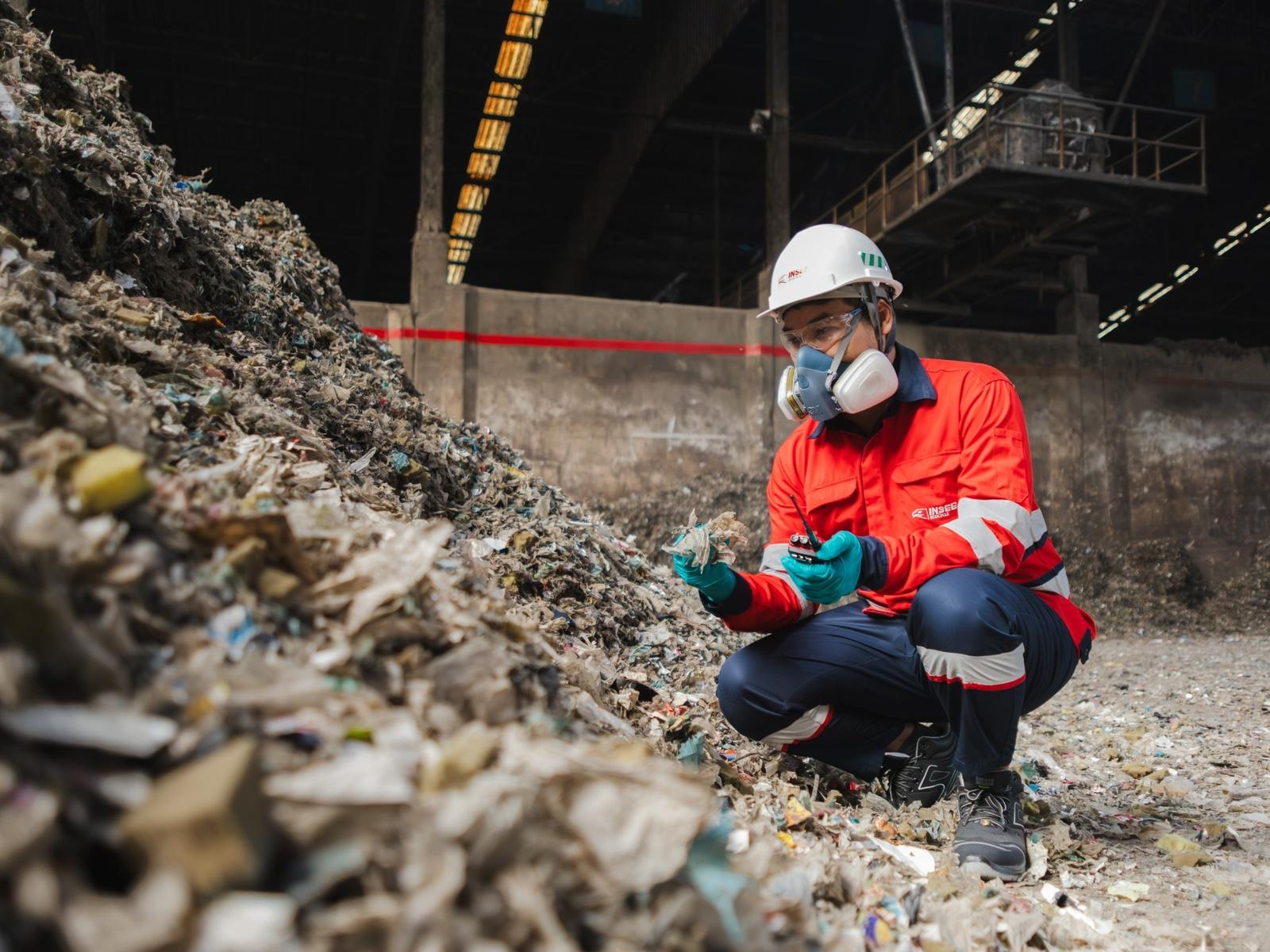
| Waste Management and Industrial Services Segment | Product or Service Information INSEE Ecocycle Company Limited INSEE Ecocycle is dedicated to being a leader in environmental solutions by delivering sustainable waste management and innovative industrial services to a broad range of industries. Our mission is to support customers and partners in minimizing their environmental impact, achieving sustainability goals, and advancing the shift towards a circular economy. As a trusted “Partner in Sustainability,” we continuously innovate and implement new initiatives to help our clients meet their sustainability targets. INSEE Ecocycle is a wholly owned subsidiary of Siam City Cement Group in Thailand. In South and Southeast Asia, we have a subsidiary in Sri Lanka as well as business units in Vietnam and Cambodia. INSEE Ecocycle Lanka (Private) Limited is a wholly owned subsidiary of Siam City Cement (Lanka) Limited in Sri Lanka. INSEE Ecocycle Vietnam is a business unit of Siam City Cement (Vietnam) Limited in Vietnam. In Cambodia, Chip Mong Ecocycle is a business unit under the local joint venture company Chip Mong INSEE Cement Corporation. INSEE Ecocycle offers a range of sustainable waste management and innovative industrial services. Its business is structured around two main service areas: Waste Management and Industrial Services. INSEE Ecocycle has introduced innovations in industrial services through robotic cleaning technologies and sustainable decontamination solutions for the oil and gas sector. Key developments include advanced crawler robots for tank cleaning process, which eliminate human entry into hazardous environments and enhance workplace safety, and electromotive cleaning, a novel process that generates less chemical wastewater, reduces environmental impact, and enables more efficient treatment of decommissioned assets such as subsea pipelines. Characteristics of the Products or Services Waste Management Services INSEE Ecocycle provides integrated waste management solutions, specializing in co-processing technology that recovers energy and resources from waste while eliminating landfill residuals and ash. Our services cover the full waste management cycle, including consulting, waste analysis, handling, logistics, processing, and final treatment in cement kilns, ensuring efficiency and environmental responsibility. We have also expanded our capabilities to provide comprehensive onsite waste management solutions at customer locations, offering end-to-end support for sustainable and efficient operations. Our tailored services encompass waste segregation and handling supervision, onsite cleaning, manpower supply for operations, equipment rental, waste transportation and disposal, as well as onsite monitoring and reporting, all designed to ensure seamless, environmentally responsible waste management. For many years, the company has also developed expertise in energy recovery from Municipal Solid Waste (MSW), including mining dumpsites for the production of Refuse-Derived Fuel (RDF). This long-standing experience contributes to resource recovery, extends landfill lifespans, and reduces the risk of plastic leakage into oceans and water systems.
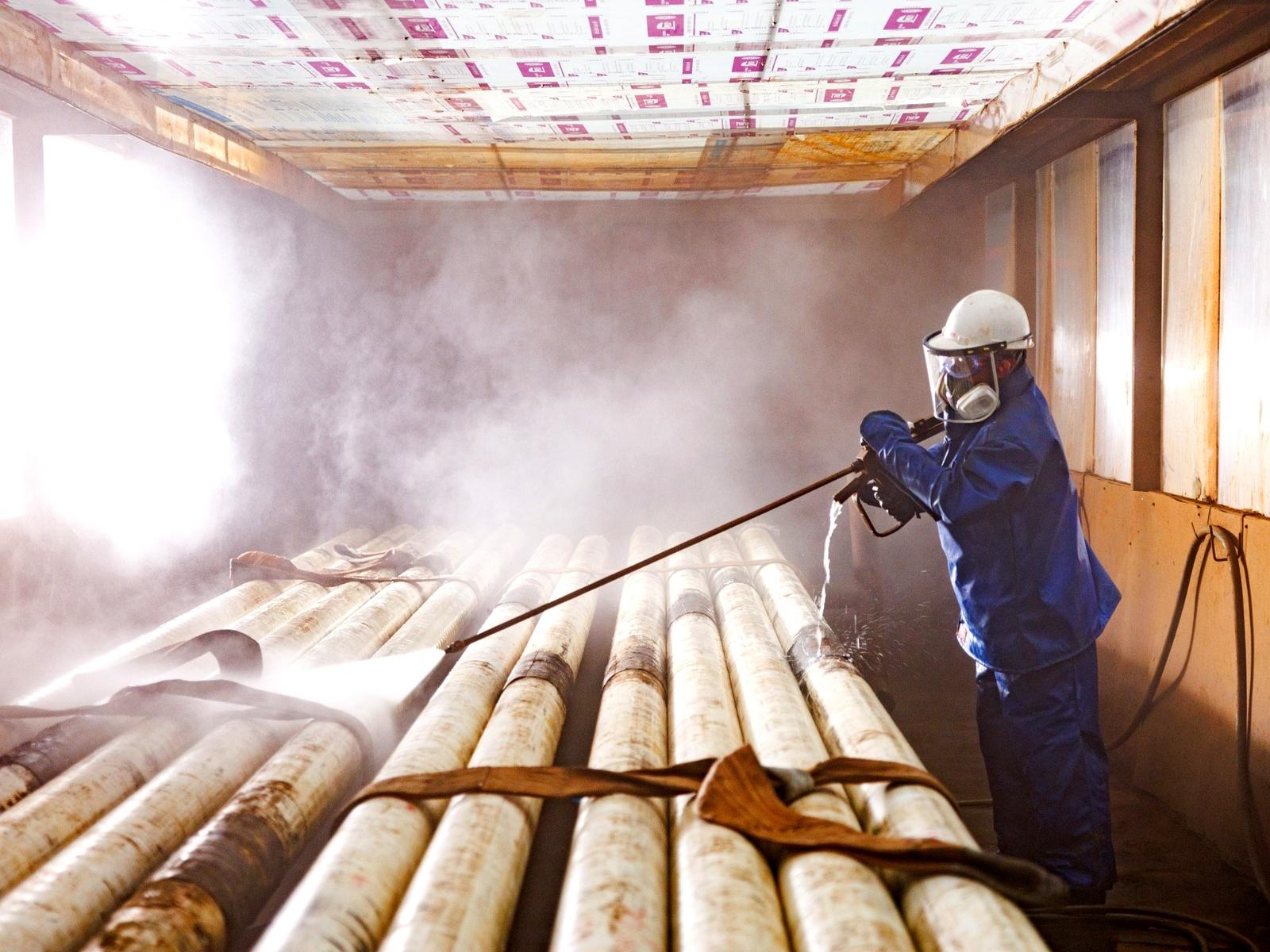
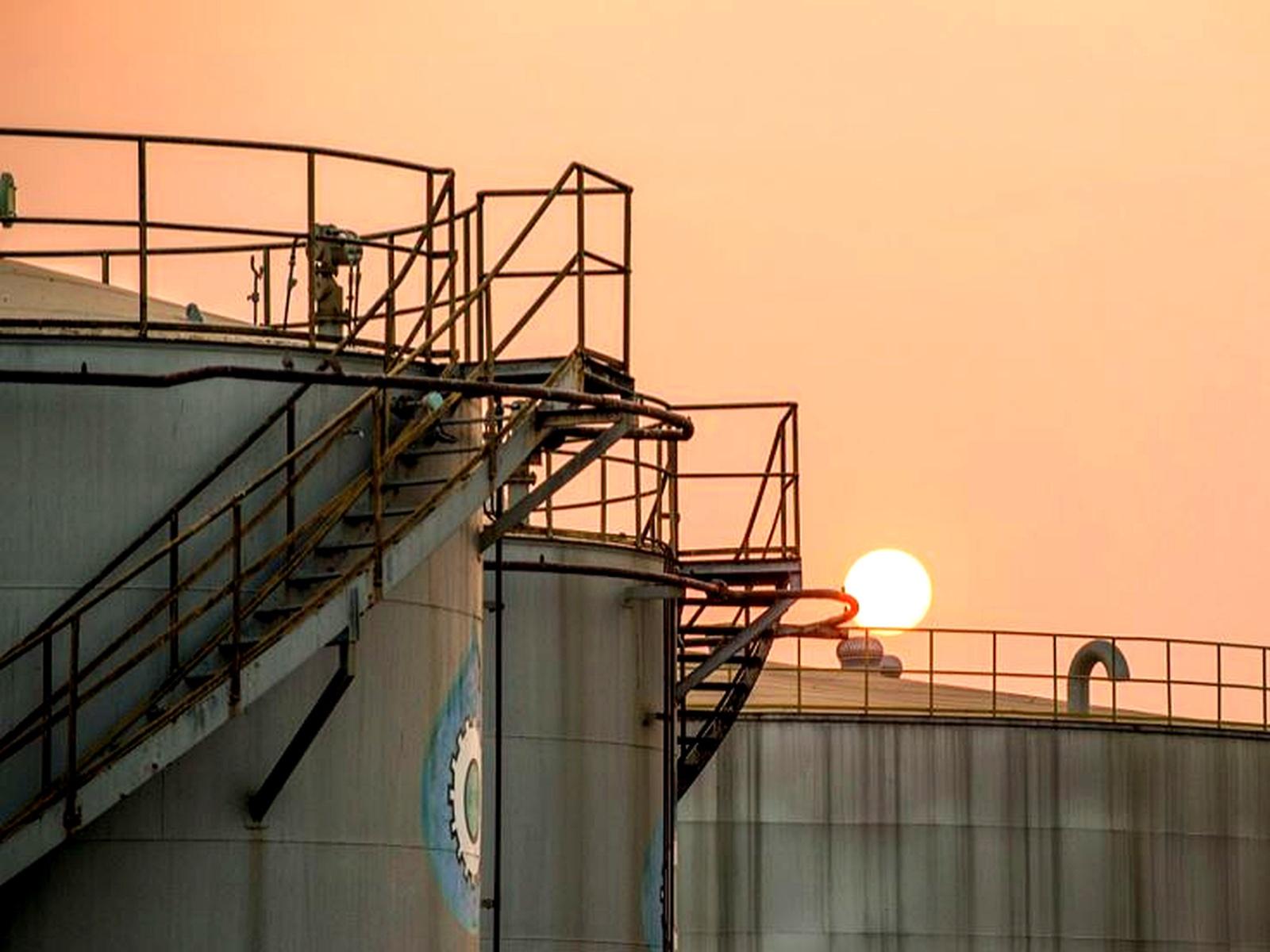
INSEE Ecocycle operates under internationally recognized management systems, certified to ISO9001:2015 (Quality Management), ISO14001:2015 (Environmental Management), ISO45001:2018 (Occupational Health and Safety), and ISO/IEC17025:2017 (Laboratory Standards). These accreditations demonstrate our dedication to operational excellence, environmental stewardship, and workplace safety. Furthermore, INSEE Ecocycle is the first waste management provider in Thailand to be awarded the Green Industry Level 5 (Green Network) certification from the Ministry of Industry, the highest recognition for organizations that extend environmental responsibility across the entire supply chain. This also encourages and supports partners and stakeholders to engage in the green industry process, aiming for truly sustainable industrial development. Regionally, INSEE Ecocycle has expanded its integrated waste management services across Sri Lanka, Vietnam, and Cambodia, tailoring solutions to local industry needs while promoting sustainable practices. In Sri Lanka, INSEE Ecocycle Lanka (Private) Limited focuses on co-processing, resource recovery, pyrolysis, MSW management, analytical services, and industrial cleaning, with resource recovery centers and partnerships with FMCG companies as a Producer Responsibility Organization (PRO), reinforcing its commitment to sustainable waste management. In Vietnam, INSEE Ecocycle Vietnam provides co-processing, recycling, composting, industrial cleaning, confidential document destruction and emergency response services, and has established expertise in treating hazardous materials, including PCB-contaminated oil and HCFC. Meanwhile. In Cambodia, Chip Mong Ecocycle pioneers waste co-processing, offering sustainable solutions nationwide while collaborating with local industries and authorities to address the country’s waste management challenges. Across all three markets, INSEE Ecocycle is a leading expert, ESG alignment, and regional partnerships to drive circular economy initiatives, optimize resource recovery, and strengthen its competitive positioning in South Asia and Southeast Asia. Industrial Services INSEE Ecocycle specializes in industrial cleaning and related services for the oil & gas, petrochemical, and power generation sectors. Our services cover the full lifecycle of operational assets, including pre-commissioning, operation, maintenance, and decommissioning. Key offerings include Shutdown and Turnaround Services, Chemical and Mechanical Cleaning, Decontamination of Decommissioned Assets, Tank Cleaning with robotic solutions, Catalyst Handling, Pipeline and Process Services, and Skilled Manpower Supply. Our services are designed to combine safety, efficiency, and environmental responsibility. Innovative solutions such as robotic tank cleaning using crawler robots enable safe confined-space operations, while Electromotive cleaning offers a sustainable approach for cleaning decommissioned assets. Waste generated during cleaning is managed responsibly to ensure safe disposal. Through the integration of advanced technology, skilled personnel, and strict regulatory compliance, we provide solutions that help industrial clients enhance operational efficiency while minimizing environmental impact.
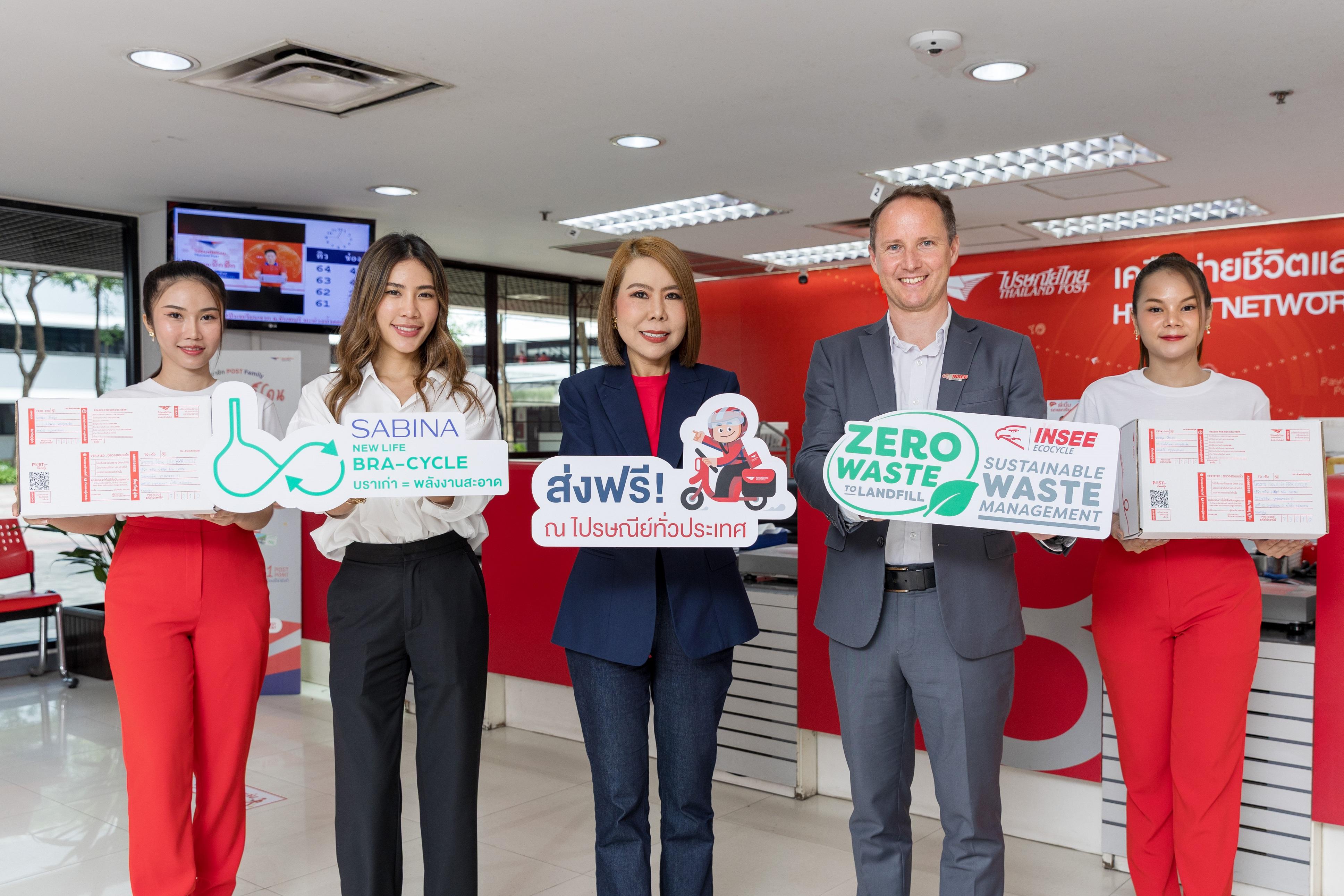
Business Innovation Development of the Products, Services, or Business Groups INSEE Ecocycle's business innovation is primarily driven by strategic collaborations with leading partners. This approach allows the Company to develop and implement sustainable solutions to address operational challenges and environmental changes. The Company's innovation process is centered on building collaborative networks for environmental action. For instance, we partnered with a leading oil and gas company to develop a cleaning process for decommissioning assets, which is faster and generates less chemical liquid waste than conventional methods, thereby reducing environmental impact. To further customize solutions and ensure they meet specific site requirements, we have our own industrial services laboratory. This allows us to tailor cleaning chemicals and provide customized solutions that align with our clients' needs. Major Development In 2025, INSEE Ecocycle Thailand advanced innovation, partnerships, and stakeholder engagement to strengthen its leadership in sustainable waste management and innovative industrial services. The company co-organized and participated in numerous events, including the SWAT Conference 2025, engaging in high-level dialogues to promote co-processing and policy advocacy while deepening stakeholder collaborations. In partnership with SINTEF and UNIDO, INSEE Ecocycle co-hosted the workshop “Scaling Circular Solutions: From Pilots to Policy in Asia,” highlighting circular economy and decarbonization initiatives in the region. For industrial services, the company participated in the “Oil & Gas Roadshow 2025” to present innovative cleaning solutions for the oil, gas, and petrochemical sectors, alongside partner HMT PTE LTD, which showcased advanced tank roof and dome technologies. Other notable events included the UNIDO workshop “Accelerating Decarbonization in the Cement and Concrete Sector: Financing the Transition”, the Waste to Management & Waste to Energy Summit 2025, and the Sustainability for Business Forum 2025, jointly organized by the Franco-Thai, Netherlands-Thai, Swiss-Thai, and Thai-Swedish Chambers of Commerce. INSEE Ecocycle Thailand further secured its 6th consecutive mandate from the Department of Intellectual Property to safely destroy counterfeit goods, eliminating over 1.5 million items worth more than 900 million Baht through secure, traceable processes and sustainable co-processing. On the community front, the company expanded the “New Life Bra Cycle” with Sabina and Thailand Post to make used bra and lingerie disposal more accessible nationwide and partnered with Starboard Blue in a cleanup at Taco Lake, collecting 339 kilograms of waste and segregating RDF waste to be sent to the Saraburi facility as alternative fuel. Additionally, INSEE Ecocycle promoted waste management education at the INSEE Green School in Kanchanaburi Province, reinforcing its commitment to environmental stewardship and social development. These initiatives reduced environmental impact while delivering tangible social and commercial value, demonstrating INSEE Ecocycle’s readiness to address environmental transitions and scale sustainable innovations for long-term impact.
For Vietnam, INSEE Ecocycle in 2025 advanced its competitiveness and stakeholder value through major innovations in operations, markets, and organizational development. Operational efficiency was strengthened by streamlining pre-processing and repackaging to reduce freight costs, optimizing barge operations, and upgrading shredding equipment at Hon Chong Plant to enhance quality, availability, and efficiency. The Company also diversified waste streams, achieving full RDF consumption from municipal solid waste while developing solutions for high-value hazardous waste and untapped materials such as wind turbine blades and industrial residues. On the market side, Ecocycle expanded its customer base to industrial management firms as well as audit and inspection companies, introduced value-added services including legal consulting on waste management and emergency chemical response, and launched a referral program that secured four new contracts within six months. Brand and social impact were reinforced through joint CSR and co-branding activities, most notably the “Together We Build a Greener Map” campaign, which engaged 33 partners and nearly 200 participants to plant more than 11,000 trees. To strengthen organizational resilience and customer experience, Ecocycle enhanced feedback and performance management systems, invested in talent development, and digitalized engagement via Zalo Mini App surveys—a shift toward modernizing customer feedback channels that already cover 25–28 percent of waste collection trips and continue to grow. For Sri Lanka, INSEE Ecocycle in 2025 reinforced its leadership in sustainable waste management through strategic industry collaboration, operational innovation, and national recognition. The Company positioned Sri Lanka as a regional hub for circular economy dialogue by hosting the International Conference on Resource Efficiency Toward Sustainability (ICRES 2025) and the Future360 Connected Circularity CEO Forum, bringing together global experts and industry leaders to explore strategies for advancing circular practices. Partnerships with the Open University of Sri Lanka, the National Cleaner Production Centre, and the Institution of Environment Professionals Sri Lanka (IEPSL) further enhanced national- level engagement and brand visibility. Ecocycle’s leadership was recognized at the BMPC Awards 2025, where it was named one of the Top 20 Outstanding Companies and the Category Winner for Power and Energy – Thermal, reflecting excellence in innovation, sustainability, and operational performance. Operationally, the Company advanced resource recovery through a Plastic Waste Supply Chain Enhancement Project, which improved acceptance capacity, strengthened recycling systems, and created social value by integrating local communities and waste collectors into structured value chain networks. In addition, Ecocycle became the first company in Sri Lanka certified under the global Plastic Pollution Reduction Standard (PPRS), ensuring transparent and verified plastic waste reduction while enabling businesses and partners to contribute to circular economy solutions. These achievements underscored Ecocycle’s role in driving industry transformation, environmental stewardship, and stakeholder trust as Sri Lanka transitions toward a more sustainable future. |
| Light Building Materials Segment | Product or Service Information The Light Building Materials Group consists of three key segments and brands including
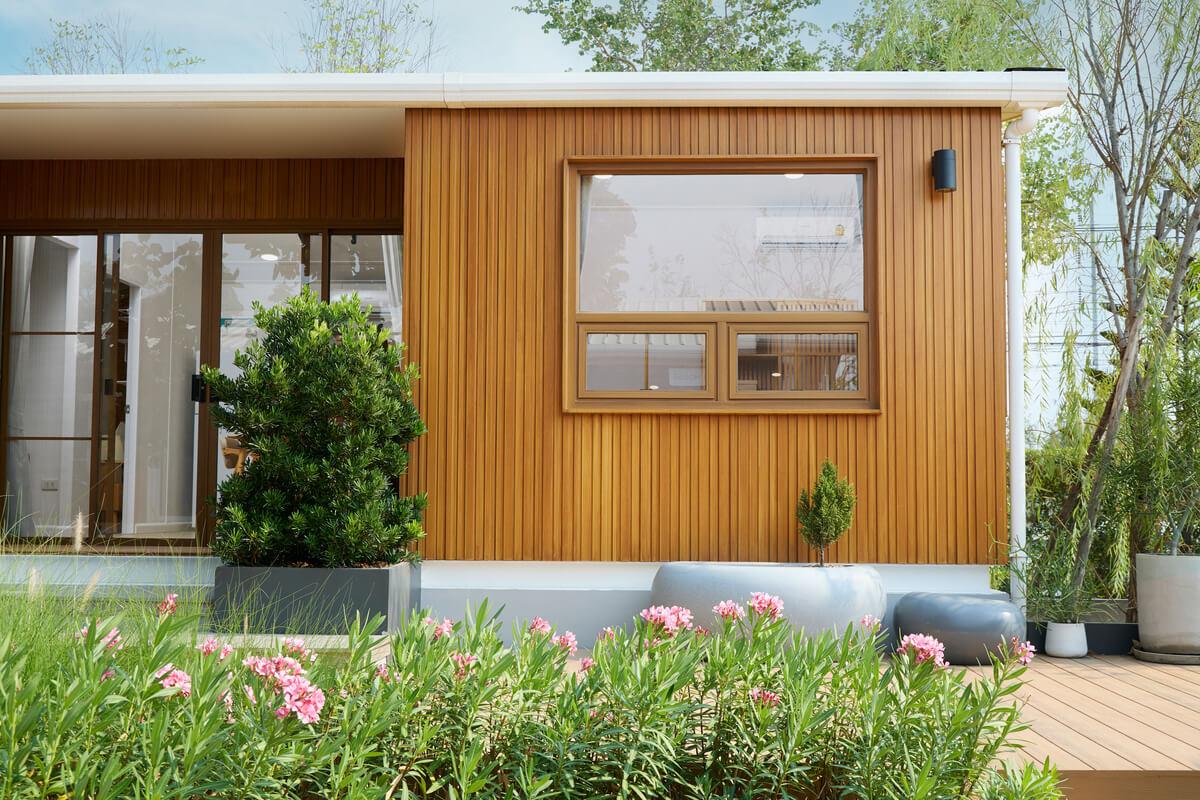
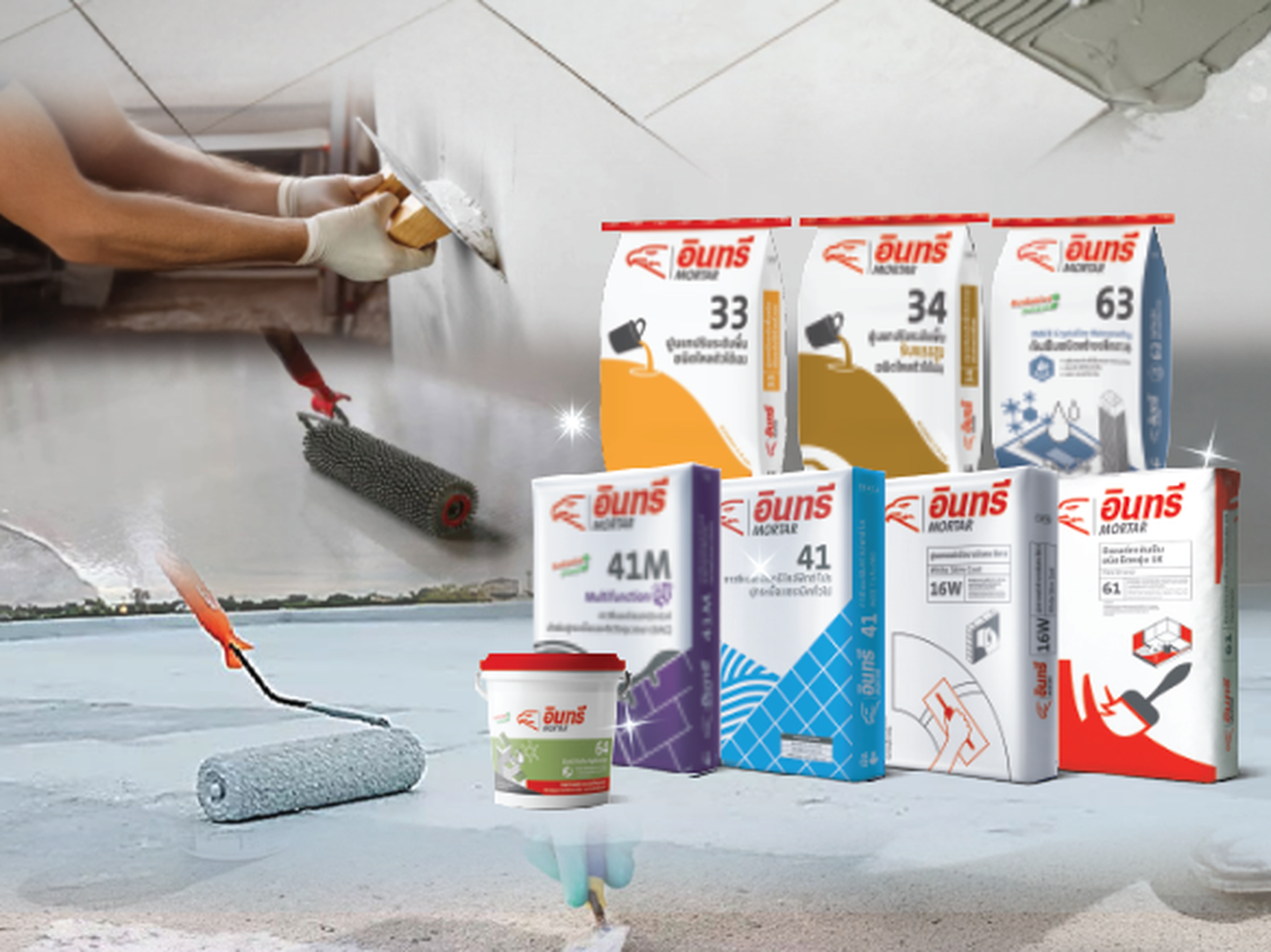
Our priority is to lead the market in sustainable and high-performance construction materials, by constantly innovating our products and installation/application methods. We keep our stakeholders’ (channel partners, developers, contractors, architects and end customers) interests at the center of our approach to constantly evolve with the market needs. In 2025, we launched several new products and solutions across the three business segments, including but not limited to non-cementitious waterproofing solutions, ceramic coated metallic roof (CeTech by Conwood). We also relentlessly focus on reducing greenhouse usage, and minimizing waste across the construction value chain. Characteristics of the Products or Services INSEE Mortar is a manufacturer and distributor of cementitious and non-cementitious mortar solutions. INSEE Mortar products are the result of extensive research and development, producing environment friendly, low carbon emission, high-quality solutions for diverse needs such as bricklaying/plastering, tile adhesives/grouts, floor leveling, waterproofing and concrete repair. INSEE Mortar is committed to continuous innovation, with plans to expand its product range or introduce new products particularly in construction chemicals to cover all construction needs both indoors and outdoors. The goal is to offer contractors and project owners effective construction solutions, emphasizing performance and durability. INSEE Mortar provides the complete solution for every build. INSEE Superblock manufactures and distributes high standard quality, heat insulation, fire resistance, sound insulation from autoclaved system, in various size from standard to jumbo size, customized-size of wall panels, and lintels. The Company also offers professional design and installation services for lightweight walls, starting with consultation by engineer in close collaboration with clients’ teams. The company also prioritizes quality production by integrating new technologies to ensure products meet industry standards. In 2025, INSEE Superblock expanded its product range from core structural elements to decorative solutions, acoustic solutions, adding value for diverse customer needs. The company also introduced innovations that transform construction waste and dust into new products, supporting environmental sustainability and reducing greenhouse gas emissions. CONWOOD offers a diverse range of premium decorative wood replacement products designed for use across homes, buildings, and landscapes for both indoors and outdoors. The product portfolio includes solutions for ceilings and eaves, floors, walls, and decorative applications, complemented by water-based paints such as primers, wood stains, topcoats, and finishing paints. This comprehensive offering enables CONWOOD to meet a wide spectrum of architectural and design needs. Over the past two decades, CONWOOD has earned strong recognition among designers, real estate developers, contractors, and homeowners for its distinctive wood-grain aesthetics, crafted through advanced European technology. Importantly, CONWOOD products are free from silica, thereby eliminating the risk of harmful dust particles during cutting or drilling thus making it a safer, more health-conscious choice. Product development at CONWOOD is guided by in-depth studies of consumer behavior and needs, with active collaboration from industry partners to ensure modern functionality and contemporary design. As a result, CONWOOD provides innovative solutions that simplify installation through pre-colored, ready-to-use wood replacement products thus reducing the challenges associated with on-site painting. Recognizing that installation quality is key to achieving lasting beauty and performance, CONWOOD introduced expert installation services in April 2025, offering professional consultation and support to uphold the highest standards of craftsmanship and aesthetics. In Indonesia, CONWOOD emphasizes offering one-stop services, including product sampling, consulting, product sales, installation, by working closely with local architects to drive sustainable business growth. Moreover, CONWOOD also emphasizes product innovation to introduce new color shades options to customers while continuously enhancing the seamless aesthetic appeal of CONWOOD installation systems.
CeTech by CONWOOD is a new product line that redefines the standard of metal sheet roofing through the use of ceramic coating and water-based resin polymer technology, seamlessly combining aesthetics with high performance. Designed for superior comfort and durability, CeTech effectively reduces heat from UV rays and minimizes noise from rainfall. Lightweight and easy to install, it offers a modern, energy-efficient roofing solution that enhances both functionality and design appeal. Business Innovation Development of the Products, Services, or Business Groups LBM continuously collaborates with stakeholders across multiple projects. Insights, pain points and latent needs from there projects are transformed into ideas for innovative products and solutions. By deeply analyzing market trends and customer needs, LBM identifies opportunities that align with the company’s strategic direction, driving growth through a structured product development process:
Major Development INSEE Mortar INSEE Mortar remains committed to expanding its product range within the specialty mortar segment. In 2025, several new products were launched under four key solution areas:
INSEE Superblock INSEE Superblock has focused its R&D efforts on developing lightweight wall panels for decorative and acoustic solutions. Key product innovations include:
Conwood Conwood’s R&D initiatives are guided by user behavior insights to meet evolving design and performance demands. Recent innovations include:
|
| Energy Segment | Product or Service Information Lanna Resources Public Company Limited The Company has now restructured its business portfolio to include the energy business segment, as the result of Lanna Resources Public Company Limited (LANNA) and its subsidiaries becoming subsidiaries of the Company, effective October 4, 2024. LANNA’s primary business is the production and sale of coal, while the subsidiary Thai Agro Energy Company Limited (TAE) mainly deal in the production and sale of ethanol as fuel additive. LANNA and TAE are listed companies under the Stock Exchange of Thailand, and as such additional details of both companies can be found in their respective Form 56-1 One Reports which are publicly available. Characteristics of the Products or Services LANNA deals in procuring coal which is produced (by way of mining) by its joint ventures operating in Indonesia, and sale of such coal to businesses using heat derived energy as part of their productions. TAE operates an ethanol production plant, producing ethanol which is sold to gasohol producers as clean fuel additive for gasohol production, with gasohol production business being born of His Majesty King Bhumibol Adulyadej’s innovative approach to utilizing gasohol as a lower-priced fuel alternative to benzine.
|
Research & Development
Has R&D Policy (Y/N)
Yes
R&D Cost — Description
Research and Development Policy and Innovation Approach
The Company recognizes that research, development, and innovation are important enablers of operational resilience and long term competitiveness. The Company’s approach is primarily practical and application driven, focusing on continuous improvements that support customer needs, operational efficiency, cost discipline, safety, and environmental performance, in light of evolving economic, social, and environmental considerations.
ESG Capital Expenditure Projects
(Illustrative examples of R&D driven performance improvement initiatives)
The projects described below represent selected examples of major capital investment initiatives that demonstrate
the Company’s approach to research and development driven performance improvement. While these projects involve
significant capital expenditure, they form only part of a broader portfolio of ongoing continuous improvement initiatives,
including smaller scale operational, digital, and process development projects implemented across the organization.
Environmental (E)
Separate Limestone Grinding: Saraburi Project This project reduced the clinker factor in Plain Cement Concrete (PCC) by 5 percent through a shift from inter-grinding to separated grinding and blending. Implemented in
2022–2023 with an investment of THB 338 million, the project reduced clinker usage by approximately 0.33 million tons per year, lowered CO2 emissions per ton of cement, and supports the Group’s target to reduce CO2 intensity by 2030.
Advanced Process Control for Cement Mill Z5 and Z6: Implemented in 2025 with a total investment of THB 24.6 million, these projects applied AI and APC-based digital solutions to improve cement grinding and kiln process stability. The initiatives reduced electrical and thermal energy consumption, supported increased use of alternative fuels, and enhanced overall production efficiency.
Sri Lanka: PCW Chloride Bypass System: With an investment of THB 276 million, this ongoing project
(with completion expected in 2026) improves kiln reliability and operational stability by eliminating chloride-related bottlenecks. It enables higher alternative fuel usage, reduces unplanned shutdowns, and improves energy efficiency.
INSEE Chonburi Aggregates Project (SANDTEC): This long-term project, with a total investment of THB 969 million, supports efficient resource utilization through the development of SANDTEC, a manufactured sand that substitutes natural river sand. The project reduces pressure on natural resources while expanding sustainable construction material offerings.
Saraburi Solar Farm Project: Completed in 2025 with an investment of THB 1,794 million, the project delivers approximately 80 MWp of solar capacity, generating 112,000 MWh per year. It contributes to a CO2 reduction of about 44,000 tons annually and increases the share of renewable energy in Saraburi operations to 36 percent.
Governance (G)
Project Gold SAP S/4 HANA Upgrade: This Group wide digital transformation project, completed in 2025 with
an investment of THB 412 million, upgraded core ERP and procurement systems to SAP S/4HANA. The project enhances data transparency, strengthens internal controls, reduces operational risk, and supports sound governance and long-term digital resilience.
R&D Cost — Label
Research and development (R&D) expenses over the past 3 years (Million Baht)
R&D Cost — This Year
2337.21
R&D Cost — Last Year
1003.84
R&D Cost — 2 Years Ago
620.42
Assets Used in the Business
Permanent Assets — Description
Key operation assets of the Company and subsidiaries
Objective: For business operations of the Company and its subsidiaries as at 31 December 2025
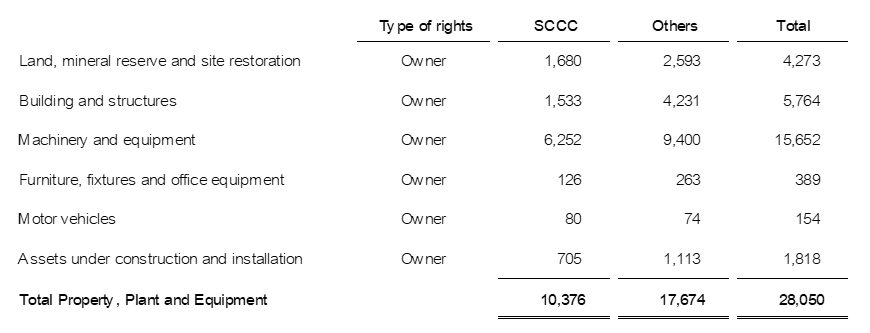
Remark : The local subsidiaries have mortgaged part of their land and construction thereon and machinery with net book value as at 31 December 2025 amounting to approximately Baht 925.2 million (2024: Baht 1,020.9 million) as collateral for short-term and long-term loans and credit facilities granted by a commercial bank. The overseas subsidiary has mortgaged part of its land, machinery and equipment with net book value as at 31 December 2025 amounting to approximately USD 11 million or equivalent to Baht 346.9 million (2024: USD 13.1 million or equivalent to Baht 443.6 million) as collateral for short-term and long-term loans and credit facilities granted by a commercial bank.
Intangible Assets — Description
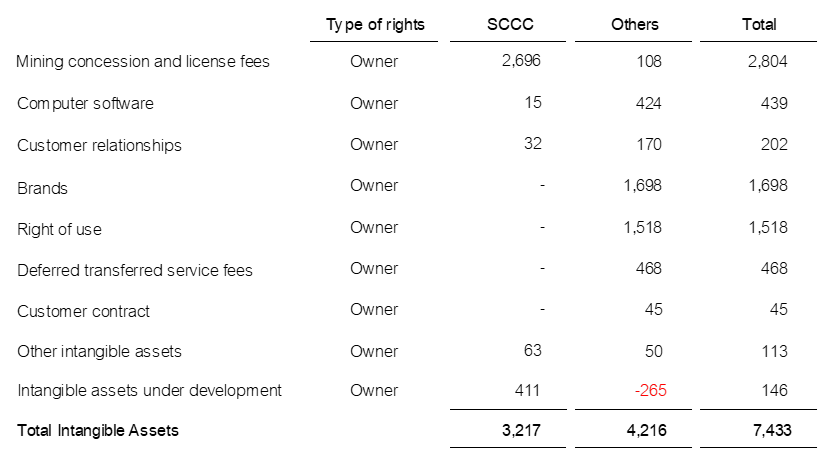
Mining Right
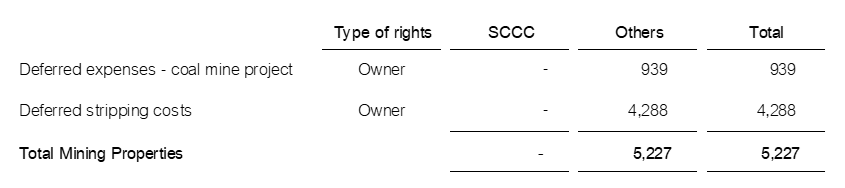
The Company has secured mining rights sufficient for procuring raw materials for cement production in the long-term, both in Thailand and for overseas subsidiaries. Plans for efficient sourcing of alternative raw materials, in alignment with the long-term production plan, such as, concessions for shale and limestone mining (for cement industry) in Kaengkhoi district, Saraburi province, aggregate quarry in Uthong district, Suphanburi province, Cement soil mine in Pak Chong district, Nakhon Ratchasima province, and Khok Salung district, Lopburi province, including crushing plant in Uthong district, Suphanburi province, are also in place. The Company has also leased land for waste management in Hemaraj Industrial Estate, Chonburi province, including limestone mining right in Sri Lanka and Vietnam.
Subsidiaries of Lanna Resources Public Company Limited that deal in energy business include PT. LANNA HARITA INDONESIA (“LHI”) and PT. SINGLURUS PRATAMA (“SGP”), two indirect subsidiaries registered in Indonesia granted with concessions by the Indonesian government to deal in mining and production of coal, with operations located in Samarinda and Kutai districts of the Kalimantan province. Additional details may be found in the 56-1 One Report of Lanna Resources Public Company Limited, under Details of Key Operation Assets.
Trademarks
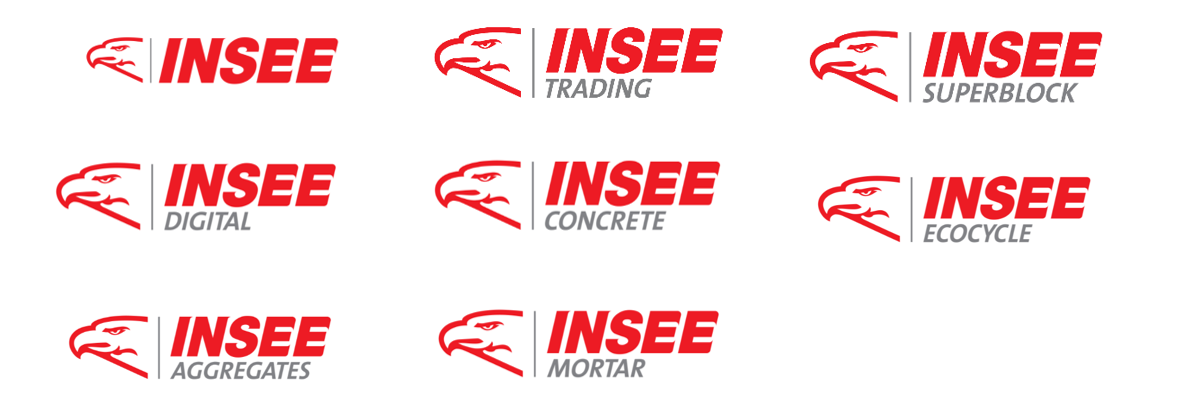
The Company vigilantly protects its trademarks used in its businesses. Currently, the owns many registered trademarks, both for the trademarks used by the Company and the subsidiaries, 215 of which were registered in Thailand and 308 were registered overseas. Main characteristics of the Company’s trademarks are the symbol of eagle head and the word
INSEE. Overseas trademarks are registered in Vietnam, Bangladesh, Sri Lanka, Indonesia and Cambodia. Moreover,
the Company registered similar trademarks in some other countries that have imported cement from the Company and/or its subsidiaries, such as Brunei, China, Hong Kong, India, Lao PDR, Singapore, Malaysia, the Philippines, Myanmar, and Arab Emirates.
Patents
The Company owns 3 patents and a subsidiary (Conwood Company Limited owns 1 patents and INSEE Superblock owns 1 patent.
Has Subsidiaries Investment Policy (Y/N)
Yes
Subsidiaries Investment Policy — Description
Investment in subsidiaries and associates shall be considered and approved by the Board of Directors. The Board of Directors shall appoint directors and executives who shall be responsible for management and operations of the assigned subsidiaries. The number of appointed directors and executives shall be aligned with the Company’s shareholding.
Marketing Policy & Competition
Reporting Mode
3117
Marketing Policy (Overall)
Cement, Ready-mixed Concrete and Aggregates Segment
Cement Business
In 2025, Siam City Cement placed greater emphasis on segment marketing, focusing on specific applications such as road construction, soil–cement works, small-scale ready-mixed concrete products and high-quality yet affordable cement tailored for the modern trade segment. This approach enables the Company to better address customer needs in line with the unique requirements of each application and usage pattern.
Collaboration with research and development organizations in both the public and private sectors to explore and test new products also took place. At the same time, the Company is modernizing and optimizing production processes to enhance efficiency and reduce greenhouse gas emissions by applying advanced chemical engineering technologies.
These initiatives ensure that the company’s products retain high quality, competitive edge in the market, and environmental friendliness.
Target Customers and Distribution Channel
Siam City Cement operates distribution channels both domestically and internationally. In Thailand, the Company’s network covers nationwide wholesale and retail markets. For international markets, the Company works through distributors in neighboring countries, including the Lao PDR, Myanmar and Cambodia, with a focus on wholesale and project-based sales. The sales ratio between domestic and export markets stands at 95 percent and 5 percent, respectively, of total revenue.
The Company also supplies directly to professional operators, including ready-mixed concrete producers, precast concrete manufacturers, government and private construction projects, property developers and major contractors.
Its core customer base consists of those requiring high-quality cement, supported by a commitment to helping partners
operate sustainably.
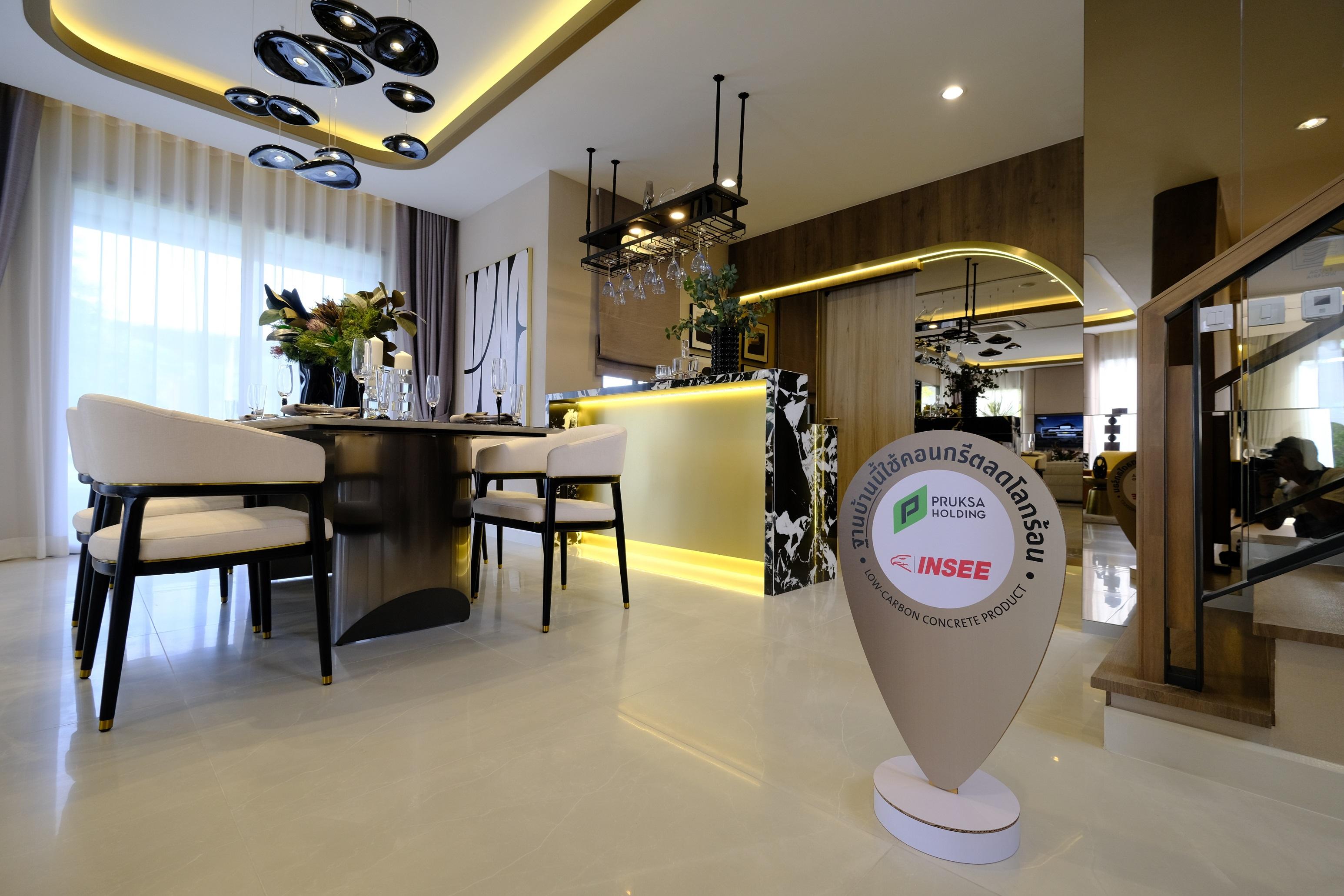
The Company is dedicated to developing new distribution channels by continuously monitoring and analyzing business shifts, partner behavior and consumer trends. AI technology is now leveraged to process data and forecast future trends, while actively seeking investment opportunities to expand wholesale, retail and online channels. Furthermore, collaboration with strategic partners provides greater competitiveness in the industry.
INSEE Vietnam
Marketing in Vietnam is planned and executed based on a multi-faceted approach. Activities are designed around customer needs, market research and competitor benchmarking to ensure brand relevance and differentiation. Target customer profiles and channel behaviors are regularly analyzed to refine campaigns and engagement programs.
Annual and seasonal campaigns are aligned with sales objectives, covering trade promotions, digital marketing, events and loyalty programs. Activities are prioritized to maximize impact during high-demand periods and to strengthen
long-term brand equity.
Establishing long-term relationships through marketing engagement activities is critical in both cement segments. For
the bag segment, the Company builds trusts and forges partnerships through seminars, plant tours, a co-leadership series and other events. For the bulk segment, advanced marketing efforts combined with a technical approach provide
significantly advanced solutions for all customers through various initiatives.
KPIs such as market share, campaign ROI, customer acquisition and loyalty engagement are systematically tracked. Adjustments are made dynamically to respond to market conditions and optimize investment efficiency.
INSEE Lanka
INSEE Lanka’s retail marketing strategy has been centered on market penetration, with INSEE Sanstha Cement positioned as the preferred choice for concrete applications. This focus was strengthened as competitors increasingly captured share in the concrete segment.
To reinforce this positioning, the Company recently launched a comprehensive 360-degree marketing campaign featuring
a new TV commercial and digital initiatives to emphasize with INSEE Sanstha’s proven strength and reliability
in concrete applications.
At the same time, Mahaweli Marine Plus Cement has been refined and repositioned to better serve the Concrete Product Manufacturing (CPM) industry, a market segment traditionally dominated by OPC competitor brands.
INSEE Bangladesh
A focus on joint awareness programs with international non-profit organizations, such as Practical Action and CARE, assist in the promotion of sustainability, green cement and sustainable cities. Additionally, a collaboration plan with BSRM allowed for the initiation of commercial schemes in salinity-prone areas.
Digitization is a core focus in upcoming marketing schemes with investments being made in strategic campaigns and influencer-driven referral programs. To increase customer retention and brand loyalty, the Company is implementing targeted marketing programs, relationship-driven activities, responsive services and customer-oriented initiatives.
Chip Mong INSEE Cement
Marketing policies in Cambodia focused on reinforcing its position as a producer of high-quality cement in a highly competitive and oversupplied market. While competitors primarily emphasize price competition and broad distribution, CMIC differentiated itself through international-standard quality, product innovation, such as Camel Plastering Cement, and strong technical advisory support to contractors, masons and project developers.
The branding strategy focuses on positioning the Company as the best quality cement provider in Cambodia. The goal is to become the top-of-mind cement brand in the country. Efforts are driven by the “Building a Strong Foundation, Trust Across Generations” strategy.
Ready-mixed Concrete and Aggregates Business
INSEE Concrete navigated the challenging yet transformative year and strengthened its competitive position through customer diversification, innovation and operational efficiency. An expansion of the Company’s already robust nationwide network of RMX plants, both direct and franchised, in Thailand ensured widespread sector coverage.
This year saw the Company broadened partnerships with Chinese contractors to capture the significant growth opportunities in industrial sectors, especially in Thailand’s EEC.
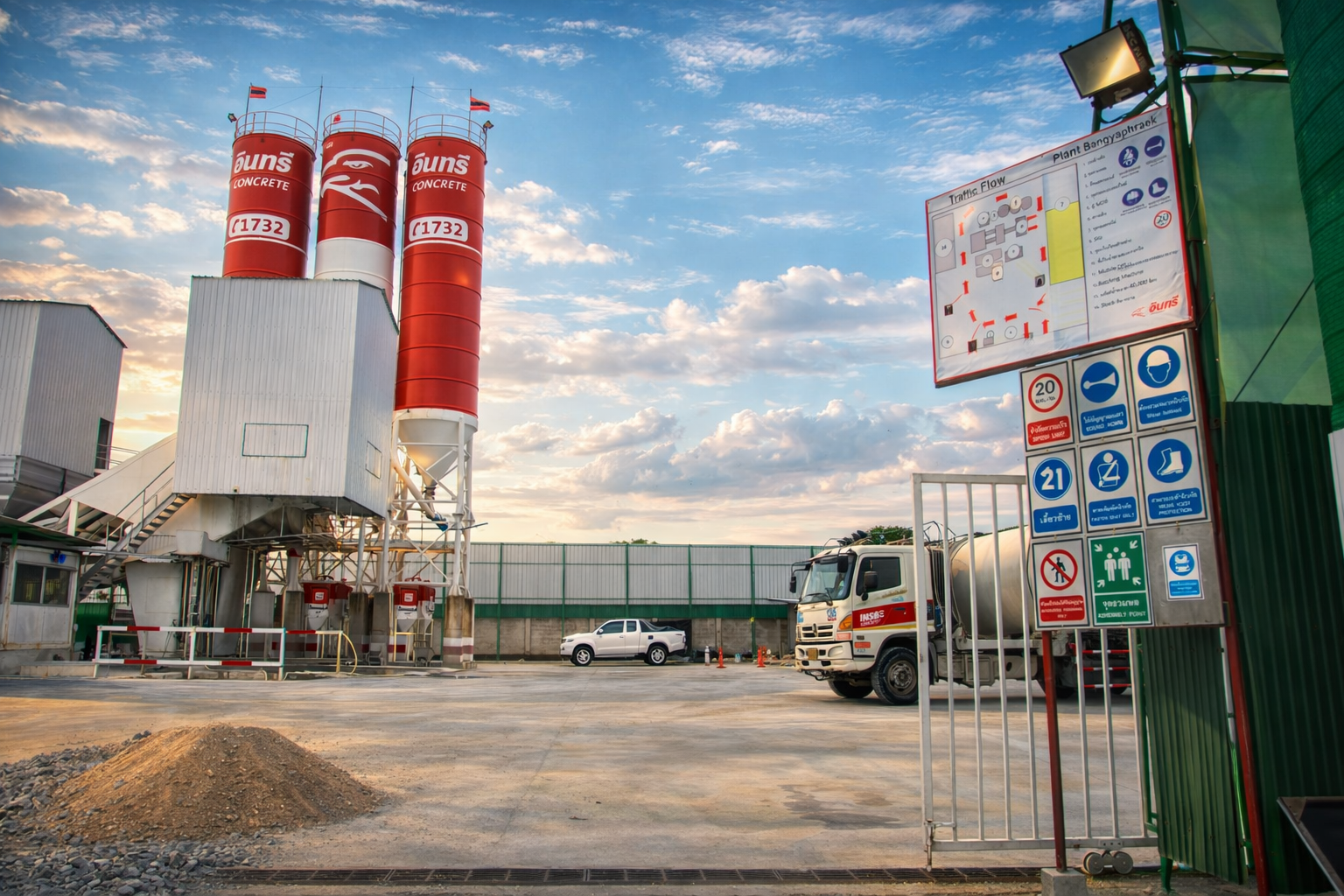
Waste Management and Industrial Services Segment
In the past year, INSEE Ecocycle’s marketing policies centered on sustainable waste management and innovative industrial solutions. For waste management services, Ecocycle is a fully compliant, peace-of-mind provider, offering
end-to-end solutions from collection to final treatment in cement kilns. To strengthen its competitiveness, INSEE
Ecocycle continued to advance environmental sustainability offerings by delivering both one-stop and on-site services across industries. A core focus remained on co-processing in cement kilns, utilizing waste as an alternative fuel to reduce environmental impact and promote responsible resource use.
For industrial services, the primary customers were large industrial clients in Thailand’s oil & gas, petrochemical, and power generation sectors. These industries require comprehensive industrial cleaning services for operational assets throughout their lifecycle—from pre-commissioning and maintenance to decommissioning. During the year, INSEE Ecocycle secured and sustained market share in decontamination and turnaround projects within the petrochemical and oil & gas sectors, focusing on high-value projects that demand specialized skills and expertise.
Marketing and sales activities were conducted primarily through direct business-to-business channels, with the sales team covering key industrial areas nationwide. This included long-term service agreements, dedicated account management, and active participation in industry networks and sustainability forums. Revenue from both waste management and industrial services was generated entirely from the domestic market.
Light Building Materials Segment (LBM)
Competitive Strategy
The marketing strategy of the Light Building Materials Business focuses on penetrating residential markets both high-rise and low-rise. In 2025, the private sector market has shrunken, and the company now aims to diversify
to other segments such as Commercial, Industrial and Infrastructure nationwide, while expanding its customer base to take in new users.
Value-added products and services that address construction needs and problems;
Mortar - Offering tailored and complete solution to users, a wide range of tile adhesive products for specific purpose, and specialty mortar products from Cementitious to Polyurethane.
INSEE Superblock – Offering not only structural or decorative products but also providing consultation and installation services. This approach helps solve construction challenges, streamline installation, and reduce labor work and construction waste, ultimately leading to cost-effective construction.
CONWOOD – Offering Color-finished wood replacement products in various designs and groove patterns plus an option for installation and renovation services for those who rely on skilled labor, which is currently scarce and difficult to find.
Promote pull marketing strategies to increase product demand by:
Directly engaging with consumers, building relationships, educating them on product benefits, demonstrating usage, and allowing product trials to build confidence in quality.
Collaborating with users to co-develop products and services that solve specific usage problems.
Adjusting project market penetration strategies to suit current conditions and expanding into new customer segments to cover all markets.
Enhancing brand image and recognition through online marketing channels e.g. Facebook, LINE Official Account, TikTok, Instagram, and YouTube, more direct interaction, and engagement with users, making the company more accessible and relatable
Reliability - The production process is built on machinery and technology that meets European standards.
R&D - Continuous research and development are conducted to offer products that meet the needs of target customers, develop innovative products and construction processes.
Readily available - Strong distribution channels through a nationwide network of distributors, including project-focused dealers, wholesale stores, and retail outlets. CONWOOD products are also available in leading construction retail stores across the country. Additionally, efforts are made to locate new potential dealers
to ensure extensive coverage nationwide as well as overseas.
Future focused - Fully committed to sustainable growth, offering green products made from low carbon cement, environmentally conscious production process and product installation. The vision, business strategy and operations are set to maximize efficiency and stakeholders’ benefits.
Target Customer Groups
The construction materials business categorizes customers based on end-user types who have purchasing decision authority. There are four main groups including;
Project customers - Including developers of residential and commercial real estate, as well as architects designing homes and buildings.
Construction contractors - Both main and subcontractors, including specialized contractors, whether small or large legal entities.
Individual customers - Homeowners or independent craftsmen not operating as legal entities.
Government agencies.
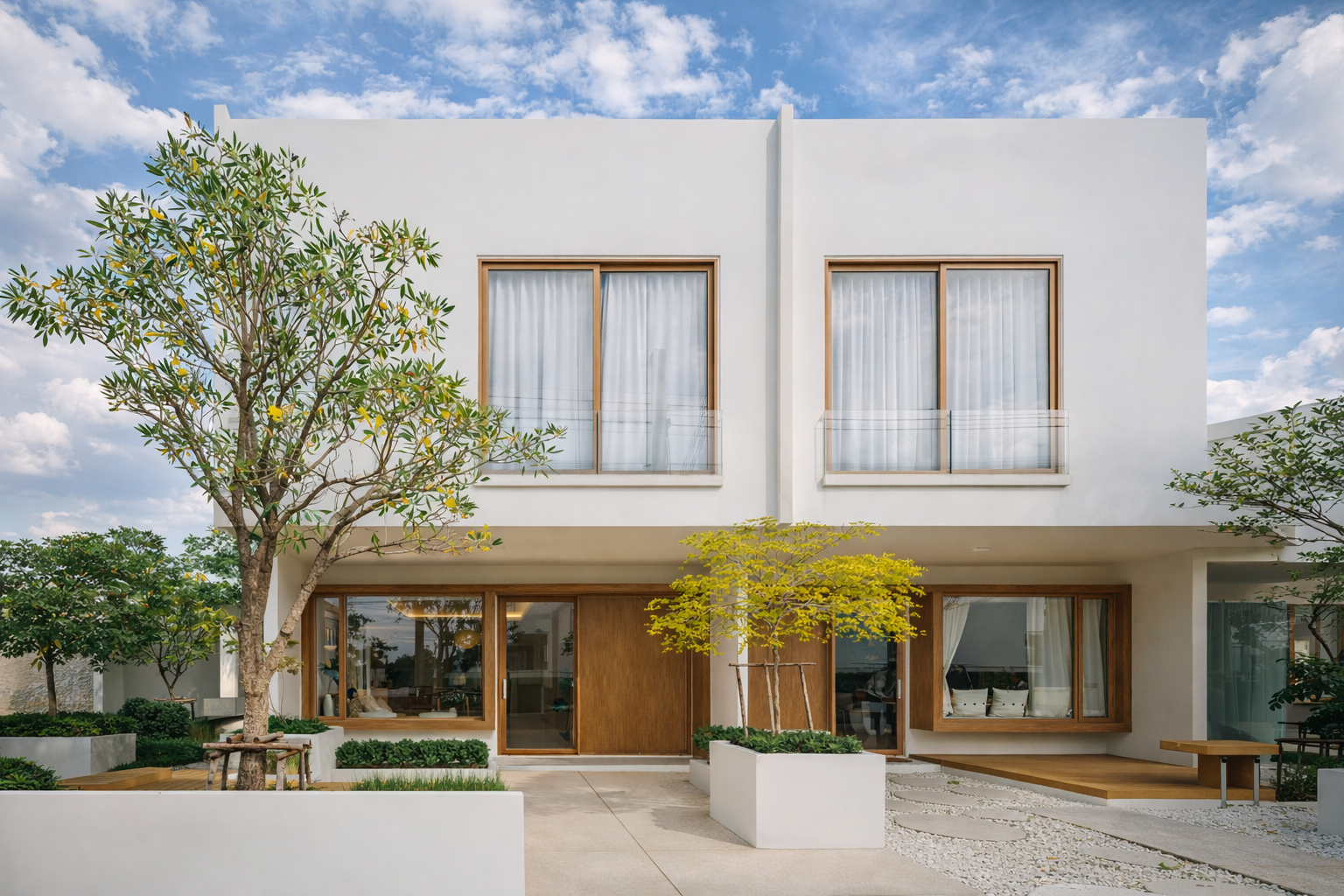
Energy Segment
LANNA’s clientele consists of both domestic and overseas clients. Coal distribution in Thailand is an oligopoly business, with most clients being groups of production plants both large and small. In 2024, 10 percent of coal produced by LANNA in Indonesia was sold in Thailand while the rest was sold to overseas clients which are primarily in the Asia Pacific region, including countries such as India, Japan, South Korea, Taiwan, and Hong Kong.
LANNA’s strategy is to remain competitive through quality control of its coal, which LANNA ensures shall retain high calorific value. To this end, new technologies are constantly being introduced in the production processes. Coal pricing is primarily reliant on the coal’s calorific value, similar to the pricing of other fuel sources, although coal pricing is also affected by other factors including purchase quantity, calorific value, payment terms, transportation, and other conditions per the requirements of each client. These factors are consistently applied to sales made to any client,
to ensure fair treatments of clients. Domestic sales are made directly to clients with no intermediaries, while overseas
sales are made both directly and through intermediaries.
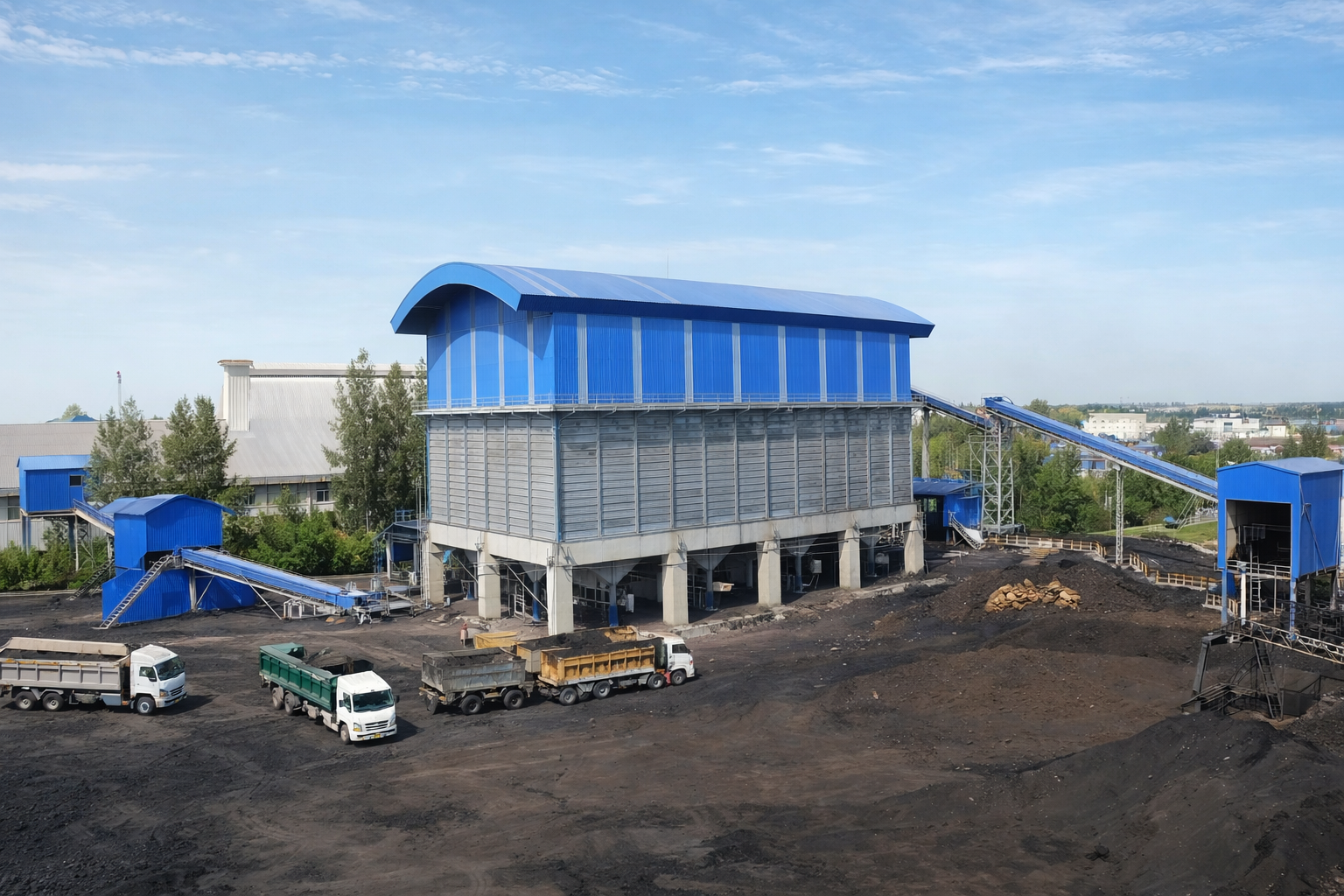
Industry & Competition (Overall)
Cement, Ready-mixed Concrete and Aggregates Segment
Industry Competition
Most markets are facing increased competition with local challenges also needing to be overcome.
Cement Business
Thailand
In 2025, Thailand’s cement industry slowed compared to the previous year. Domestic cement demand declined by approximately 5.5 percent to approximately 34.7 million tons, pressured mainly by the real estate sector, which has yet to fully recover. High household debt continues to limit purchasing power, while financial institutions maintain strict lending standards. At the same time, domestic political uncertainty has made property developers more cautious about new investments, leading to a significant reduction in new housing project launches.
Thai cement producers are increasingly focusing on eco-friendly products such as hydraulic cement, which reduce CO2
emissions and align with rising public and private sector emphasis on sustainable construction. This shift presents both
opportunities and challenges for the industry in navigating a slower market.
The Thai cement manufacturing industry is highly concentrated, with only a few market participants and three major
players, including Siam City Cement Public Company Limited. Together these three key players account for over 85 percent of the country’s total annual cement production capacity of around 66 million tons (excluding clinker).
Vietnam
The Vietnamese cement market is fragmented but dominated by a few major players. Approximately 90 cement production lines are in operation nationwide with total design capacity up to approximately 120 million tons annually. This means the domestic industry faces a significant overcapacity problem, which fuels intense competition.
Most of the overcapacity is located in the country’s northern regions where key players include Vicem Group, Long Son, Vissai, Xuan Thanh, Cong Thanh and Thanh Thang. In Southern Vietnam, the dominant players are INSEE Vietnam and Vicem Hatien. There are several smaller entities operating in the south which are mostly grinding station operations only.
Sri Lanka
The competitive landscape of Sri Lanka’s cement industry in 2025 was reshaped by several notable developments, including the entry of a new local grinding facility and the re-emergence of multiple cement importers capitalizing on relaxed import restrictions. The Company’s main competitor, Tokyo Cement, strengthened its industry position by commissioning a fully automated, high-tech grinding facility with an annual capacity of 1 million metric tons, increasing its overall capacity to 4 million metric tons per year.
KPN Cement Lanka entered the domestic market with the launch of Taishi Cement, in collaboration with Japan’s Taiheiyo Cement Corporation. Business magnate Dhammika Perera made a significant move into the sector by acquiring a 51 percent stake in DHT Cement Ltd., the company behind Powertech Premium Cement. These strategic moves have not only expanded domestic production capacity but also intensified competition within an already saturated market.
Bangladesh
Overall industry demand increased by 5.7 percent compared to last year. Bangladesh’s cement sector has shifted from rapid capacity growth to fierce oversupply-driven competition in recent times. Producers raced to add plants and grinding units, driving installed capacity to roughly 83 Mtpa, about double domestic demand.
Project delays and political unrest have caused firms to compete on price, distribution reach and brand loyalty, squeezing margins as input costs rose. Larger players leveraged their capacity, wider distribution networks, stronger brands and financial strength to outperform smaller competitors. The latter group has curtailed output or paused investment. The result was lower utilization rates, asset idling and lower operational efficiencies.
Cambodia
The Cambodian cement market is highly competitive with several domestic manufacturers and imported products competing for market share. The industry has grown steadily in recent years due to increasing demand from infrastructure development, residential housing and commercial construction projects. There are five major cement manufacturers, including CIMC, operating domestically and they boast a combined production capacity of over 10 million tons annually.
In early 2025, a new cement plant started commissioning, further intensifying the existing oversupply in the market. Additionally, a new cement plant in Kratie province began construction in May 2025.
Ready-mixed Concrete and Aggregates Business
Competition made 2025 one of the most challenging recent years for concrete and aggregates. It was defined by price competitiveness and the emergence of new Chinese players along the country’s Eastern seaboard. INSEE Concrete's response was not to engage solely on price, but to leverage its scale, product-service quality, technical expertise and extensive network to deliver superior value. This strategy has been crucial in securing high-value contracts in the industrial sector and maintaining a leadership position despite the turbulent market conditions.
Thailand’s crushed rock and sand market remains highly competitive and fragmented, with many local players competing for market share. INSEE Aggregates differentiates through superior product quality, sustainability and efficient distribution.
Industry Outlook
The Company enters 2026 more agile, more diversified and more sustainable than ever before, ready to build
the future.
Cement Business
Thailand
The cement industry in Thailand is expected to gradually recover in 2026, driven mainly by public investment in large-scale infrastructure projects, especially those in the EEC. Domestic demand is also projected to rebound, supported by household spending and private sector investments in selected industries, such as mixed-use commercial projects and hospitals, reflecting Thailand’s growing role as a regional medical hub. Nevertheless, the industry will continue to face challenges from persistently high raw material and energy costs, rising land prices and ongoing political uncertainty, which could constrain recovery in the longer term.
Vietnam
INSEE Vietnam will continue to focus on maintaining its market leadership position in core markets in Southern Vietnam, with the key objectives of:
Ensuring the bag market share achieves and maintains >29 percent, and the bulk market share >26 percent in core markets.
Protecting and growing existing positions in traditional markets in Ho Chi Minh City and the Mekong sub-regions.
Continuing to expand sales to more profitable sub-segments and customers and actively participating in major infrastructure projects.
Matching price levels to market dynamics while maintaining positive margins.
Domestic national consumption is anticipated to accelerate as the government's public investment drive gains momentum. Sustained demand will be anchored by the full-scale construction of megaprojects, including the North-South Expressway and Long Thanh Airport.
Sri Lanka
Sri Lanka’s economy is gradually transitioning from crisis recovery to stabilization. Although overall growth is slowing, targeted government spending and IMF-supported reforms are creating a foundation for sustained recovery alongside improving political stability. The construction and cement markets will continue to see a revival in demand, driven by ongoing infrastructure projects and improving macroeconomic confidence. However, structural challenges such as overcapacity and external trade risks continue to weigh on industry margins, underscoring the need for strategic planning and resilient policymaking to ensure sustained growth.
Bangladesh
Bangladesh is projected to record per capita cement demand of ~210 Kg in 2026 meaning the market has huge upside potential. Next year’s forecasted GDP growth of 6.5 percent also bodes well for industry prospects.
Cambodia
The Cambodian cement industry will continue to record intense competition, particularly from regional and international-backed companies. However, CMIC maintains a solid market position supported by trusted brand recognition, nationwide distribution networks and strong dealer partnerships. Looking ahead, opportunities for growth linked to government infrastructure projects and increasing demand for higher-quality and sustainable building materials position the Company for success.
Competition in most markets is expected to remain fierce in 2026. However, the Company will continue to differentiate itself through innovation, service and operational excellence.
Ready-mixed Concrete and Aggregates Business
Thailand’s construction industry is expected to continue expanding but so too will competition. This requires operators to adapt through greater use of technology, specialized expertise and efficient cost and labor management to remain competitive.
INSEE Concrete’s strategic repositioning has created new opportunities to continue the expansion of the franchise and owned-plant network nationwide. Cost discipline will remain a core tenet of operations.
Thailand’s rock and natural sand reserves face long-term depletion due to stricter government regulations, environmental compliance requirements and sustainability constraints. Responsible resource management and alternative solutions are now increasingly critical for the industry.
Waste Management and Industrial Services Segment
Industry Competition
INSEE Ecocycle operates in the waste management and industrial services sector, supporting industrial clients under strict environmental regulations and growing sustainability expectations. Industry competition during 2025 was moderate-to-intense, influenced by regulatory compliance, consolidation of key customers in some sectors, and increasing demand for cost-effective sustainable solutions. In the region, the shift toward a Circular Economy accelerated, with major corporations integrating waste minimization, recycling, and upcycling into their sustainability strategies. Companies capable of managing complex waste streams and delivering comprehensive solutions held a competitive advantage. Within this landscape, INSEE Ecocycle strengthened its position by offering one-stop and on-site environmental solutions, focusing on sustainable co-processing in cement kilns to transform waste into alternative fuels, reducing environmental impact while promoting responsible resource use. In Industrial Services, the Company also maintained a strong presence in the oil & gas, petrochemical, and power generation sectors, specializing in high-value decontamination and turnaround projects. By leveraging its established customer base, technical expertise, and continuous improvement, INSEE Ecocycle remained well positioned to capture opportunities in sustainable solutions and innovative industrial services, ensuring sustained competitiveness and long-term growth.
Industry Outlook
Waste Management Services
The waste management industry in Thailand is undergoing significant changes, driven by stricter environmental regulations, the implementation of Extended Producer Responsibility (EPR) frameworks, and increasing corporate commitments to ESG (Environmental, Social, and Governance) principles and circular economy practices. The strict enforcement of the Waste Management Law by the Ministry of Industry requires manufacturers to properly manage
and dispose of their industrial waste, fully applying the Polluter Pays Principle (PPP). This enforcement has shifted
the market away from non-compliant disposal methods and increased demand for safe and compliant waste treatment, particularly for hazardous waste. For industrial waste, co-processing technology remains a preferred solution
for AFR-suitable waste streams, such as non-recyclable waste with high calorific value. It provides secure thermal treatment of hazardous waste, enables zero landfill, eliminates residual ash, and reduces carbon emissions by substituting fossil fuels with waste-derived fuels. Companies capable of handling complex waste streams, offering diverse processing methods, and maintaining strong regulatory compliance hold a clear competitive advantage.
Overall competition is intensifying, particularly for waste streams that can be integrated into circular solutions like mechanical and chemical recycling. In the waste-to-energy sector, the production of RDF (Refuse-Derived Fuel) from municipal waste continues to grow. WtE power plants are aggressively expanding and require large volumes of feedstock and is competitive among co-processing players, creating both challenges and opportunities for waste management providers.
Despite these opportunities, high barriers to entry remain. New entrants face significant challenges, including large capital investments, securing suitable land, and obtaining environmental permits. A major challenge, particularly for municipal waste projects such as RDF production at dumpsites or collection hubs, is gaining local community acceptance, which is essential for obtaining and maintaining the license to operate.
INSEE Ecocycle’s competitive advantage stems from its long-standing presence, technical expertise, and strong reputation. The company differentiates itself through strict compliance with international safety and environmental standards, as well as customized waste management solutions for each client. By targeting high-growth industrial sectors, INSEE Ecocycle leverages its operational expertise in handling difficult-to-treat waste materials, providing clients with reliable, compliant, and value-added solutions across the entire waste lifecycle. At the same time, the company recognizes the need to further expand its circular economy solutions and invest in digital tools to enhance transparency, reporting, and client engagement.
Industrial Services
The industrial cleaning and maintenance sector in Thailand is highly regulated and increasingly competitive. Stricter environmental and safety regulations are driving demand for specialized services, particularly in high-risk sectors such as oil & gas, petrochemical, and power generation. The growing emphasis on sustainability and ESG compliance is creating opportunities for innovative solutions that reduce environmental impact.
National energy production projects, industrial expansions, and the aging of facilities are also driving demand for comprehensive cleaning services throughout the project life cycle. These trends position INSEE Ecocycle to capture emerging opportunities through project-based engagements and technology-driven solutions.
The industrial services market is characterized by several competitive and regulatory barriers. Competitors range from local service providers to multinational firms offering similar industrial cleaning solutions. Differentiation is achieved through technology, safety standards, environmental compliance, and specialized expertise.
Key barriers to entry include the need for licenses and permits for handling hazardous materials, access to skilled technicians, and the requirement to invest in advanced cleaning technologies. INSEE Ecocycle maintains a competitive advantage through its innovative robotic and sustainable cleaning solutions, a proven track record in high-risk sectors, and a strong reputation for compliance and reliability. Continuous investment in technology and workforce development reinforces our position as a trusted partner for industrial clients.
Light Building Materials Segment (LBM)
Industry Competition
In the first half of 2025, the construction materials industry remained stable. The growth of public construction offset the shrink in private sector investment and downturn in residential market. Over 80 percent of public fiscal imbursement was allocated to infrastructure projects and Mega-projects. Investments covered government office buildings and regional renovation projects. Although these regional projects accounted for only around 2 percent of
the total budget, they played a significant role in supporting small and medium-sized contractors as subcontractors.
In the private sector, the residential and real estate markets faced a decline, with a 3 percent drop in Q1 compared
to the previous year (source: LH Bank Research). This was driven by lower consumer purchasing power, high household
debt, tighter lending conditions, and a large inventory of unsold completed units from single houses to condominiums.
In 2025, the market shrank by over 40-50 percent in both project volume and value. This led many developers to delay
launching new projects, which lowered demand for building materials. Developers were pressured to cut costs by lowering specifications or removing non-essential decorative items. As a result, material prices were under pressure from both rising production costs and buyer demands. Still, many large companies are shifting to more aggressive strategies to boost the market and maintain sales. Similarly, commercial buildings, office spaces, and factories also are
experiencing a downturn.
Construction material manufacturers are facing intense competition to maintain market share. In the dry mix (cementitious) mortar market, companies have lowered prices to stay competitive and protect their market positions. Additionally, more players are entering the construction chemicals segment, increasing competition in that segment. The lightweight concrete block market is following a similar trend to the mortar, with two existing manufacturers expanding their production capacity, intensifying competition, especially in pricing, as the market continues to shrink.
CONWOOD faced a difficult time competing with other wood-substitute materials such as plywood, fiber cement, wood plastic composite (WPC), laminate wood from both domestic producers and imports from China. The slowdown in the real estate market has led developers and homeowners to cut costs, impacting CONWOOD more severely than the other two light building material businesses.
Industry Outlook
The real estate market in the second half of 2025, particularly in Bangkok and vicinity, is expected for a continued slowdown. This is largely driven by domestic political transitions, including changes in the government and cabinet, have further contributed to private sectors delaying investment decisions.
Growth prospects across industry segments vary, with each facing distinct opportunities and challenges. The high-rise residential market shows limited growth potential, especially post-earthquake. Despite a large inventory of unsold condominium units, there is still demand from foreign buyers in certain major provincial cities. Meanwhile, low-rise developers are increasingly expanding into regional urban centers. Industrial real estate, particularly the Eastern Economic Corridor (EEC) areas continues to grow strongly in 2025.
Despite economic challenges and weak consumer spending, the second-hand housing and condominium market is growing against the trend, with demand rising by 30 percent (REIC). This segment presents new opportunities for
the construction industry, with some developers now actively entering the market. Meanwhile, the office-space sector
faces oversupply and declining demand, causing older buildings to undergo renovations to attract tenants.
Rising raw material costs, adjustments to the minimum wage, and intense market competition are putting pressure
on corporate profitability, as companies are unable to fully pass on these costs to selling prices. Price adjustments are
limited. However, cost control will be a key factor in determining profitability.
It is expected that pressure on the private real estate sector likely continuing until Second half of 2026, provided that Thailand’s political situation stabilizes and clear government measures are implemented. Meanwhile, public sector construction projects remain a driving force for the construction industry, supported by the budget approved by
the Cabinet for infrastructure development. Public construction is forecasted to grow by approximately 3–5 percent.
Energy Segment
Industry Competition
On the global situation of coal market and industry in the past year, global coal demand saw an increase by 1 percent,
with China and India showing an upward trend of coal usage. Europe and the US, on the other hand, saw a decrease
in coal demand. China dominates the coal market, being the country with the highest energy demand, with domestic
coal production of 4,653 million tons, which is 50 percent of global production. China also imports 525 million tons of
coal from 1,546 million tons being sold in international trades, with 235 million tons being from Indonesia, whose total
volume of exported coal was 557 million tons, demonstrating Indonesia’s capacity as a major coal exporter who continues to keep up with the expanding global demand, particularly from China and India.
For future market trend, the December 2024 issue of the International Energy Agency (IEA) analytical report points to
a global increase of coal use, although after the next 3 years coal demand expansion may slow down or stagnate, with
advanced economies seeing continually shrinking demands, opposing the demands from emerging and developing economies, particularly India, Indonesia, and Vietnam, which will likely see an increase correlating with these countries’
growing energy usage.
The coal price trend in 2025 is still susceptible to risks factors that should be consistently monitored including export market competition, potential energy policy changes in partner countries, and the downward trend of long-term coal use.
For TAE, 2024 saw the total demand for ethanol at 3.4 million liters daily, while the collective production capacity of ethanol producers was at 6.77 million liters daily, resulting in oversupply. Compounding this was petrol businesses with ethanol production capacity prioritizing using internally produced ethanol, resulting in competition being steep. Still, TAE’s procurement flexibility, which enables production of ethanol using molasses and cassava as appropriate, allowed TAE to remain competitive through production cost control.
Industry Outlook
The first quarter of 2025 will likely see the market still being affected by oversupply. The significant downtrend of
the prices of the primary ingredients, namely molasses and cassava, continues to be prominent, which affords TAE
the flexibility in managing material procurement and production planning for optimal cost control and retention of competitive edge.
TAE’s marketing strategy prioritizes quality control and reliable delivery, which are critical for building trust and positive relationship with clients.
TAE uses a cost plus margin strategy for its pricing approach, with factors being considered including material costs, demand and supply, current competition level domestically and globally, etc.
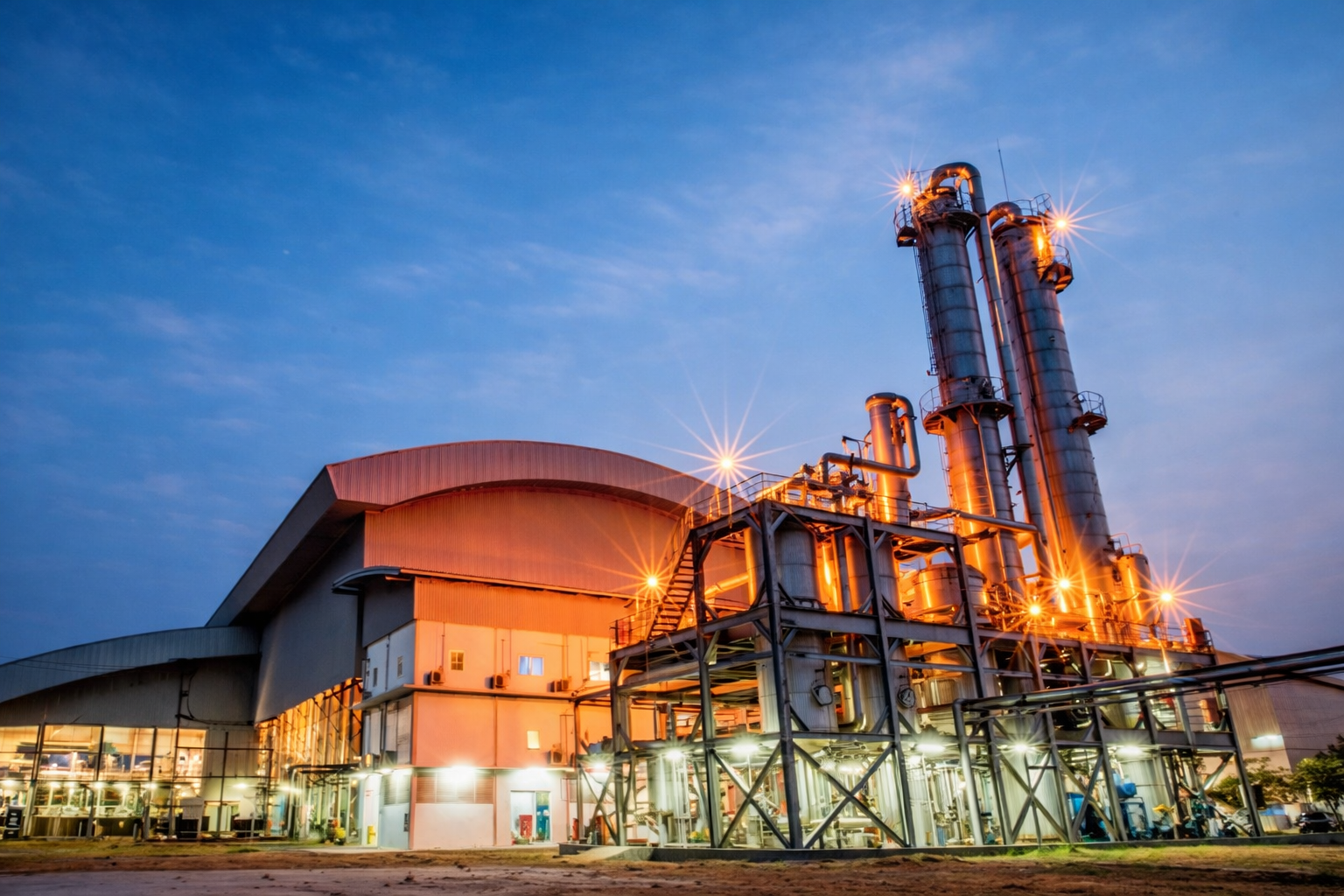
Procurement of Products & Services
Reporting Mode
3117
Procurement (Overall)
Cement, Ready-mixed Concrete and Aggregates Segment
The Group has a supplier management process to address key factors in supplier evaluation, selection and performance management when procuring goods or services. This process is continually evolving and now includes criteria based on significant elements of ESG (Environmental, Social and Governance) guidelines. The goal of Green Procurement is to strike an optimal balance between cost efficiency and long-term environmental responsibility.
Waste Management and Industrial Services Segment
INSEE Ecocycle operates a pre-processing facility in Saraburi, Thailand, while its industrial cleaning services are based
in the provinces of Rayong, Chonburi and Songkhla. The Company is committed to meeting global standards, having
achieved several international accreditations, including ISO9001:2015 for Quality Management Systems, ISO14001:2015
for Environmental Management Systems, ISO45001:2018 for Occupational Health and Safety and ISO/IEC17025:2017 for
Laboratory Standards. These certifications demonstrate INSEE Ecocycle's dedication to enhancing operations in regard
to quality, environmental protection and workplace safety. The Company has also been recognized with the SX TSCN
Sustainability Award by the Thailand Supply Chain Network for its outstanding sustainability achievements.
Light Building Materials Segment (LBM)
INSEE Mortar Plant sources its primary raw materials, including limestone and hydraulic cement (low carbon cement), from high-quality suppliers, as well as packaging from Siam City Cement Public Company Limited. Additives are procured through a bidding process that ensures raw materials meet the highest quality standards.
Cement and limestone, which constitute 75 percent of the raw materials value, are sourced locally, whereas additives, equivalent to 25 percent of the raw material value, are imported from China, from few suppliers through bidding process, with only one supplier whose trade value is higher than 15 percent of the total trade value for the procurement of these resources.
INSEE Superblock Plant sources its primary raw materials from its own sand quarry and Portland cement from
Siam City Cement Public Company Limited, accounting for 70 percent of sourcing value. This ensures materials
used are of the highest quality.
Other materials, accounting for 30 percent of all raw materials, such as quicklime and AI paste (Foaming Agent), are sourced from international suppliers through efficient selection and procurement processes. This guarantees that
INSEE Superblock's products maintain high quality and reliability.
Conwood Plant in Thailand sources its primary raw material, cement, from Siam City Cement Public Company Limited, accounting for over 50 percent of sourcing value. The secondary raw material for the Conwood Plant is paper pulp fiber, breaking down, by location, to 55 percent sourced from one domestic supplier and 45 percent from three international suppliers. For Indonesia, 65 percent of paper pulp is sourced locally, primarily derived from palm oil trees cultivated domestically. The addition of various additives enhances the product's properties, ensuring CONWOOD products are high-quality, aesthetically pleasing, and durable.
In addition, the Conwood Plant in Thailand has implemented the Zero Dust project, which aims to recycle waste dust generated during the CONWOOD production process at all stages. The collected dust is reprocessed into high-quality, aesthetically pleasing, and durable CONWOOD products.
Energy Segment
The Company places great importance on raw material management to ensure customers’ confidence and satisfaction in the products they receive. The Company employs highly knowledgeable and capable personnel, including both mining engineers and geologists, who are tasked with surveying suitable areas for potential investment.
Subsequently, the Company collects and sends coal samples to accredited laboratories for testing, ensuring the quality meets the required standards and safety specifications before commencing production and delivery to the customer.
The following table shows the data for Cement Business only.
Raw Material Acquisition (Overall)
Cement, Ready-mixed Concrete and Aggregates Segment
Siam City Cement Public Company Limited implements an effective raw material sourcing strategy to support cost efficient and sustainable operations. The raw materials used in production and services include limestone, shale, cement clay, gypsum, alternative materials containing iron oxide, grinding aids. The domestic sourcing to international sourcing ratio is maintained at an 96:4 ratio to mitigate the risk of over-reliance on a single supplier.
The Company’s sourcing approach includes in-house production, long-term outsourcing from Company-owned
raw material sources and a mix of long-term, short-term and spot contracts with external suppliers. Additionally,
the Company actively sources alternative raw materials and fuels to adapt to changes and uncertainties across
the supply chain.
Waste Management and Industrial Services Segment
INSEE Ecocycle focuses on resource recovery, environmental safety and operational efficiency, the Company continues to lead in providing integrated solutions that enable industries to manage waste responsibly while minimizing environmental impact.
Light Building Materials Segment (LBM)
INSEE Mortar Plant specializes in producing a wide range of dry-mix mortar products, including bricklaying mortar, plastering mortar, self-leveling screed, dry concrete, and tile adhesive, facilitating to diverse consumer needs. Utilizing an advanced Automatic Batching system, the plant ensures maximum production efficiency and consistent product quality. To meet specific and technical demands, INSEE Mortar is committed to developing its Specialty Mortar line, such as Skim Coat, Floor Hardener, Self-leveling screed, non-shrink grout, Waterproof cement-based, as well as liquid products like concrete bonding agents and form release agents. All production processes adhere to international standards including ISO9001, ISO45001, and ISO14001. Additionally, every product is certified with Carbon Footprint Product certification, emphasizing the company's commitment to sustainable development and environmental responsibility.
The INSEE Superblock Plant specializes in producing autoclaved lightweight concrete products, including high-quality blocks, precast wall panels, and lintels, to meet diverse consumer needs. Leveraging advanced manufacturing processes, the Plant employs an automated production system managed by Programmable Logic Control (PLC), ensuring optimal efficiency and consistent quality. Committed to excellence, the facility complies with ISO9001:2015 quality standards and focuses on developing customizable precast wall products, offering a variety of sizes with lengths of up to five meters.
The Conwood Plants in Thailand and Indonesia produce 'green products' that are energy-efficient, environmentally friendly, without hazardous materials such as Asbentos, and Silica ensuring safety for users and the environment.
The Company has met both domestic and international standards, including ISO14001:2015 for environmental friendliness, ISO9001:2015 for quality management systems, and ISO45001:2018 for occupational health and safety management systems.
Energy Segment
LANNA obtains coal from two mining joint ventures in Indonesia, producing approximately 8.5 million metric tons of coal per year. Approximately 10 percent is shipped to Thailand for sale, and the remaining approximately 90 percent is
sold in Indonesia and other countries.
TAE produces and distributes ethanol, primarily using domestic molasses and cassava as raw materials. Its factory is located in Dan Chang District, Suphan Buri Province, with a total production capacity of 350,000 liters per day across two production lines.
Both production lines have received investment promotion privileges. (Further details are presented in the notes to TAE's financial statements under the heading Investment Promotion.)
The following table shows the data for Cement Business only.
Production Policy (Overall)
Cement, Ready-mixed Concrete and Aggregates Segment
Siam City Cement Public Company Limited is one of Thailand’s leading cement producers, with a manufacturing plant in the Kaeng Khoi District of Saraburi province. It has a total cement production capacity of 16 million tons per year. The Company’s main products fall into four categories: Portland cement, hydraulic cement, mixed cement and masonry/rendering cement.
The Group’s cement production capacity stands at 26.6 million tons, achieved through integrated cement plants in Thailand, Vietnam, Sri Lanka and Cambodia, along with a cement grinding plant in Bangladesh. Equipped with modern production technology and a robust quality management system, the Group ensures that its clinker and cement products consistently meet customer requirement.
Waste Management and Industrial Services Segment
INSEE Ecocycle is dedicated to being a leader in environmental solutions by delivering sustainable waste management
and industrial services to a broad range of industries. Our mission is to support customers and partners in minimizing
their environmental impact, achieving sustainability goals and advancing the shift towards a circular economy.
As a trusted “Partner in Sustainability”, we continuously innovate and implement new initiatives to help our clients
meet their sustainability targets.
Light Building Materials Segment (LBM)
The Light Building Materials Group consists of dry-mixed mortar (INSEE Mortar), lightweight concrete products (INSEE Superblock) and CONWOOD – wood replacement decorative products, designed to meet diverse customer needs all
in one place. Our aspiration is to become one of the market leaders in construction materials by leveraging innovations
both on the product and installation fronts. Our market approach emphasizes ease of use, streamlining processes, and
time and cost savings, reducing work and being a comprehensive construction solution. In 2025, the Group focused on,
and remains focused on, sustainable development, aiming to reduce greenhouse gas emissions and minimize resource
waste.
Energy Segment
LANNA’s strategy is to remain competitive through quality control of its coal, ensuring that it retains a high
calorific value. To this end, new technologies are constantly being introduced in the production processes.
Distributors (Overall)
Cement, Ready-mixed Concrete and Aggregates Segment
Siam City Cement Public Company Limited self-sources and self-produces essential raw materials namely limestone, shale, and cement clay as it is a properly licensed quarry operator and maintains its own reserves of these materials.
For Gypsum sourcing, the Company focuses on establishing long-term purchase contracts with properly licensed quarry operators. These operators not only possess verified reserves and maintain continuous quality control, but also operate in accordance with ESG guidelines. Furthermore, the Company considers securing replacement raw materials to ensure supply stability over a long-term period of more than five years.
Regarding raw materials containing Iron Oxide, the Company has entered into long-term purchase agreements with suppliers who maintain stable and continuous sources for their production. Consistent inspection and quality control are also performed to ensure the continuity of supply over a period exceeding five years.
The Company procures Grinding Aids through long-term contracts with suppliers who ensure raw material stability, maintain safety certifications, and continuously develop products to reduce production costs, all while adhering to
ESG principles a partnership built over more than five years.
Waste Management and Industrial Services Segment
The Waste Management and Industrial Services Business segment strictly adheres to Siam City Cement Group's procurement policy, grounded in the principles of procurement transparency, fair competition, and continuous evaluation of supplier quality.
Furthermore, the Group conducts business ethically, considering the impact on the environment, social responsibility toward communities, and good corporate governance (ESG) in order to achieve systematic supply chain management.
Light Building Materials Segment (LBM)
LBM strictly adheres to Siam City Cement Group's procurement policy, grounded in the principles of procurement transparency, fair competition, and continuous evaluation of supplier quality.
Furthermore, the Group conducts business ethically, considering the impact on the environment, social responsibility toward communities, and good corporate governance (ESG) in order to achieve systematic supply chain management. The contract durations varying across the three businesses from six months to one year.
Energy Segment
The Company conducts procurement in a systematic and technically sound manner, employing strict controls. It also promotes sourcing from Thai enterprises and/or affiliated companies, negotiating on the basis of a fair business relationship for both parties.
Furthermore, the Company maintains the confidentiality of all information received from bidders or participants in each tender process and does not disclose it to other parties. The Company maintains equal business relationships with its trade partners and strictly prohibits the solicitation or acceptance of any assets or other benefits, whether directly or indirectly, from trade partners, without exception.
Number of Raw-Material Distributors (Overall)
3
Production Capacity (Overall)
| Item | Unit | Unit (if Other) | Used | Capacity |
|---|---|---|---|---|
| Thailand | Others | Cement Production Capacity (tons/year) | 60 | 16,000,000 |
| Vietnam | Others | Cement Production Capacity (tons/year) | 84 | 5,200,000 |
| Sri Lanka | Others | Cement Production Capacity (tons/year) | 59 | 2,700,000 |
| Bangladesh | Others | Cement Production Capacity (tons/year) | 100 | 500,000 |
| Cambodia | Others | Cement Production Capacity (tons/year) | 100 | 2,500,000 |
Domestic/Overseas Purchase Proportion (Overall)
| Raw Material | Source Country | Value |
|---|---|---|
| Gypsum | Thailand | 316,366,302 |
| Grinding Aids | Thailand | 196,519,718 |
| Iron Oxide Materials | Japan | 16,474,720 |
Projects Under Construction
Has Projects Under Construction (Y/N)
No
Debentures & Bills of Exchange
Has Debentures (Y/N)
Yes
Debentures
| Debenture Name | Description / Rating | Interest Rate (%) | Outstanding | Maturity Date | Term | Types |
|---|---|---|---|---|---|---|
| Set 4 (Series No. 2/2016) | Issuing date :29 April 2016
Value of debentures: 2,000 million baht
Number of debentures: 2 million units
Par value per unit: 1,000 baht
Offering price per unit: 1,000 baht
Credit rating: A
| 2.7 | 2,000 | 29 April 2026 | 10 years | 2789 · Description: Senior Debenture · 2791 · Description: Unsecured Debenture |
| Set 7 (Series No. 3/2017) |
Issuing date : 9 May 2017
Value of debentures: 5,000 million baht
Number of debentures: 5 million units
Par value per unit: 1,000 baht
Offering price per unit: 1,000 baht
Credit rating: A | 4.08 | 5,000 | 9 May 2027 | 10 years | 2789 · Description: Senior Debenture · 2791 · Description: Unsecured Debenture |
| Set 8 (Series No. 4/2017) | Issuing date : 9 May 2017
Value of debentures: 4,500 million baht
Number of debentures: 4.5 million units
Par value per unit: 1,000 baht
Offering price per unit: 1,000 baht
Credit rating: A | 4.26 | 4,500 | 9 May 2029 | 12 years | 2789 · Description: Senior Debenture · 2791 · Description: Unsecured Debenture |
Convertible Securities
Has Convertible Securities (Y/N)
No